
Last updated November 25, 2026
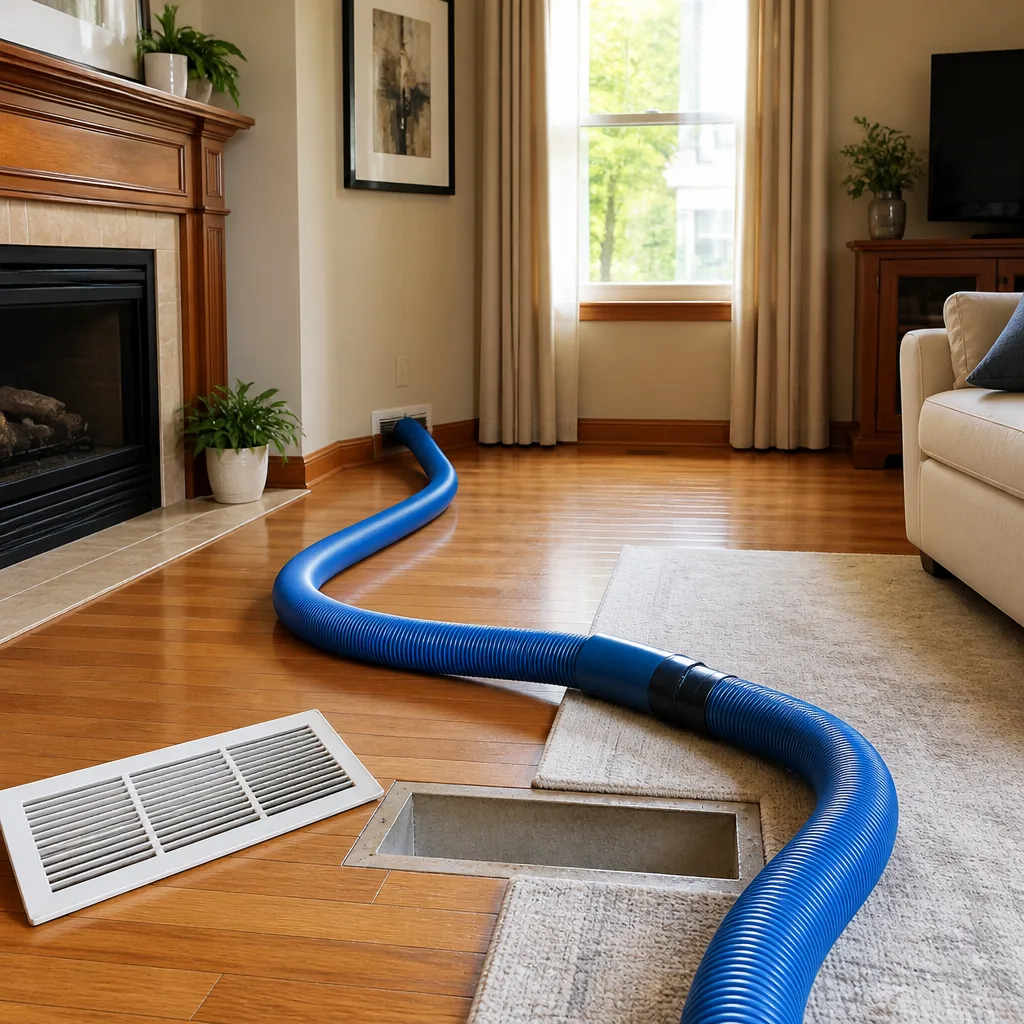 Whole-home duct cleaning
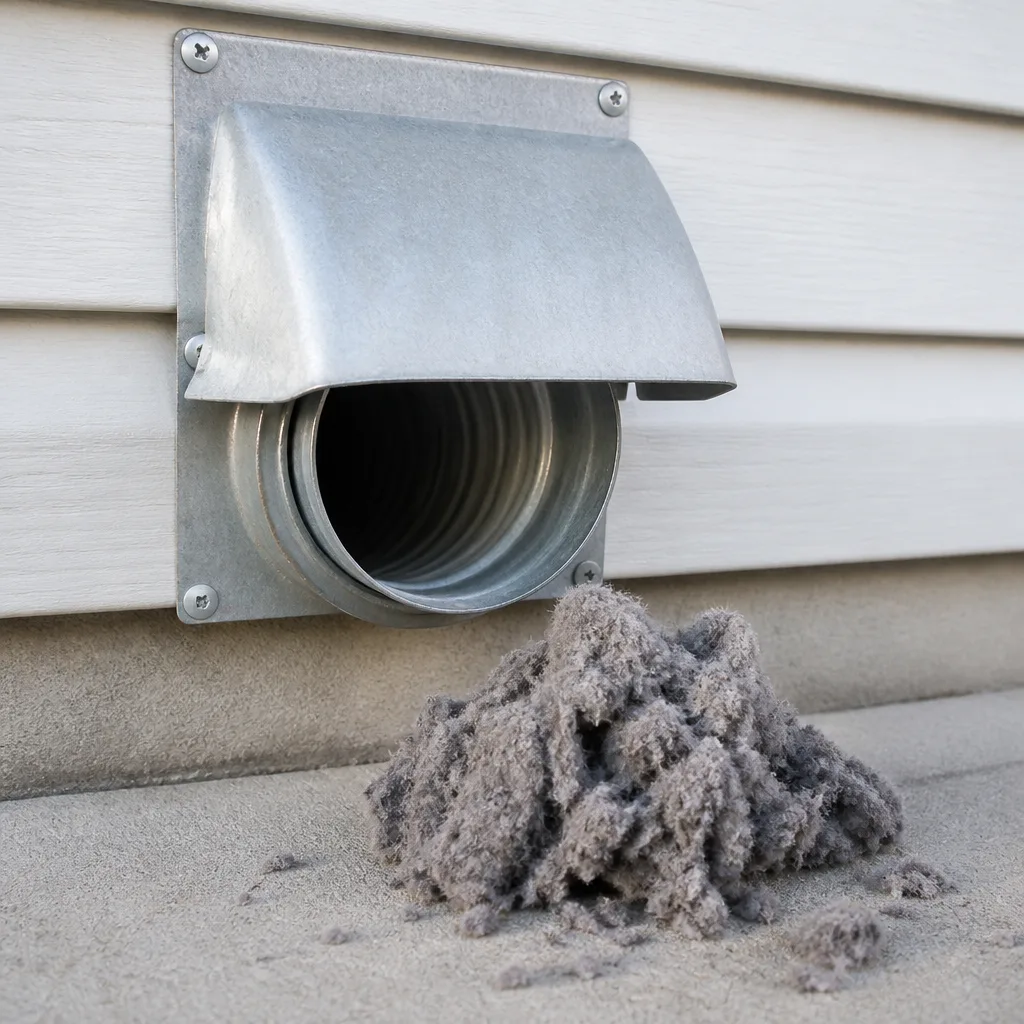 Dryer vent cleaning
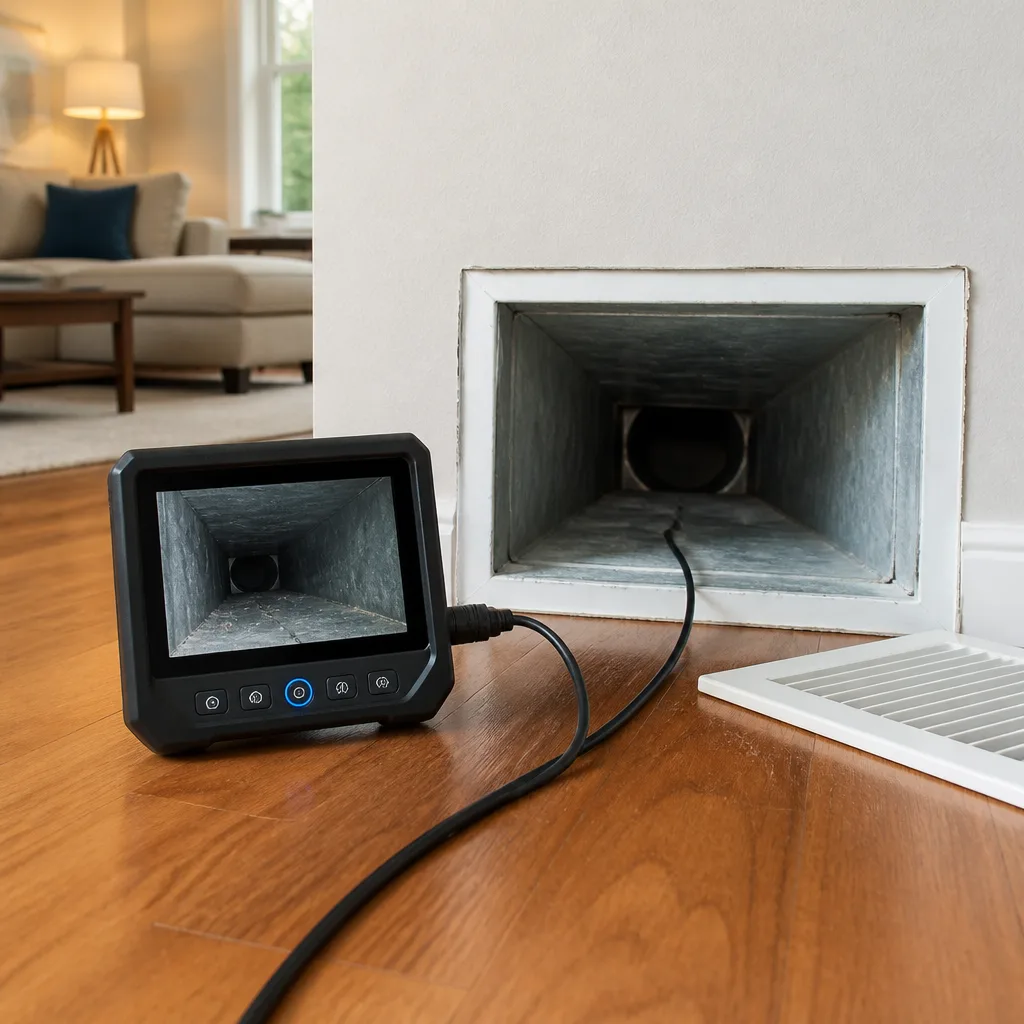 Camera inspection
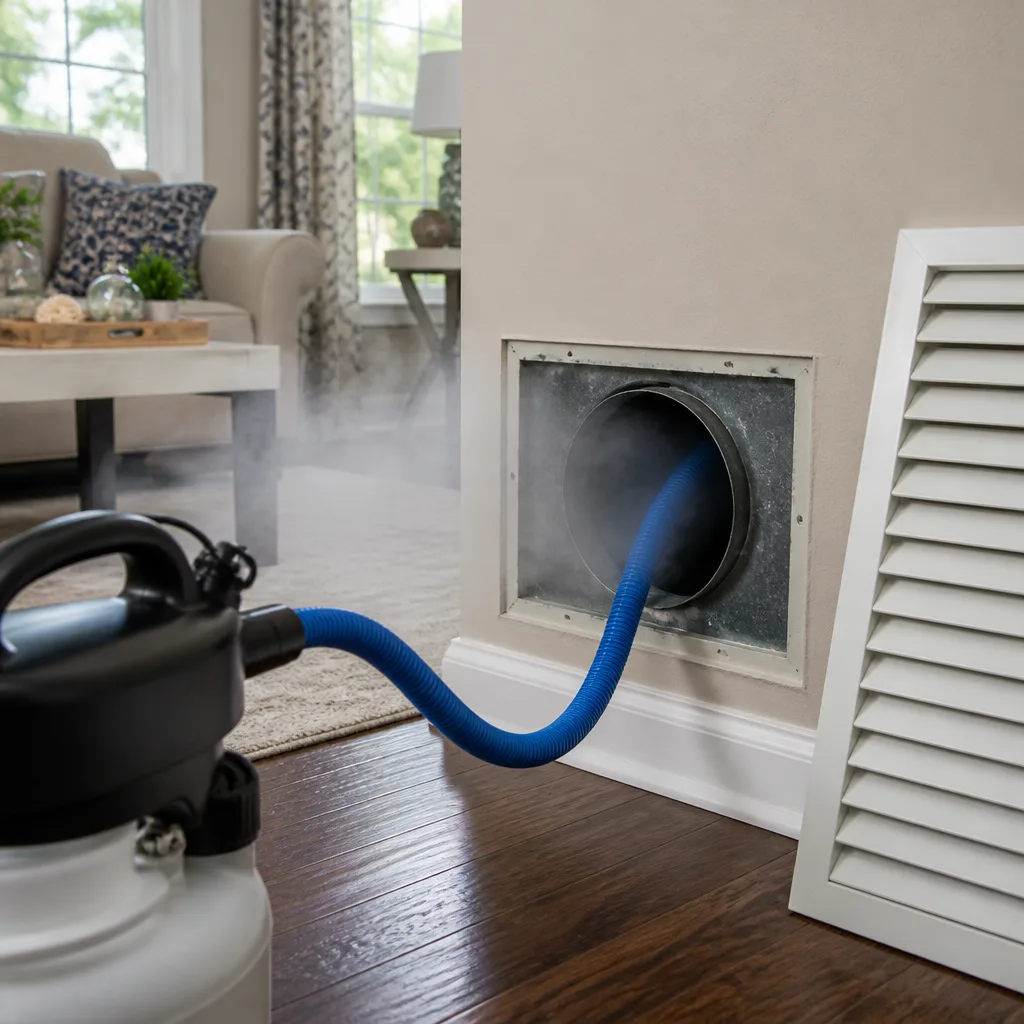 Sanitizing & deodorizing
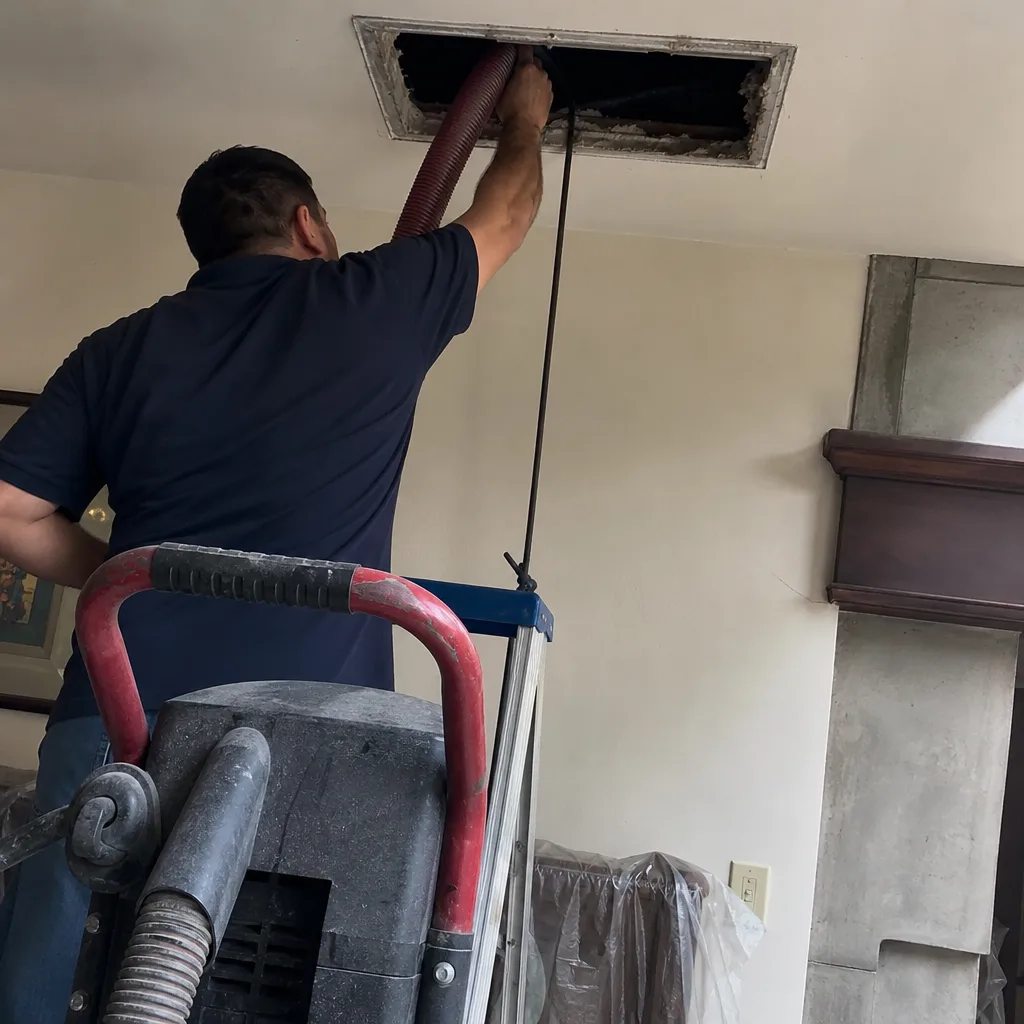
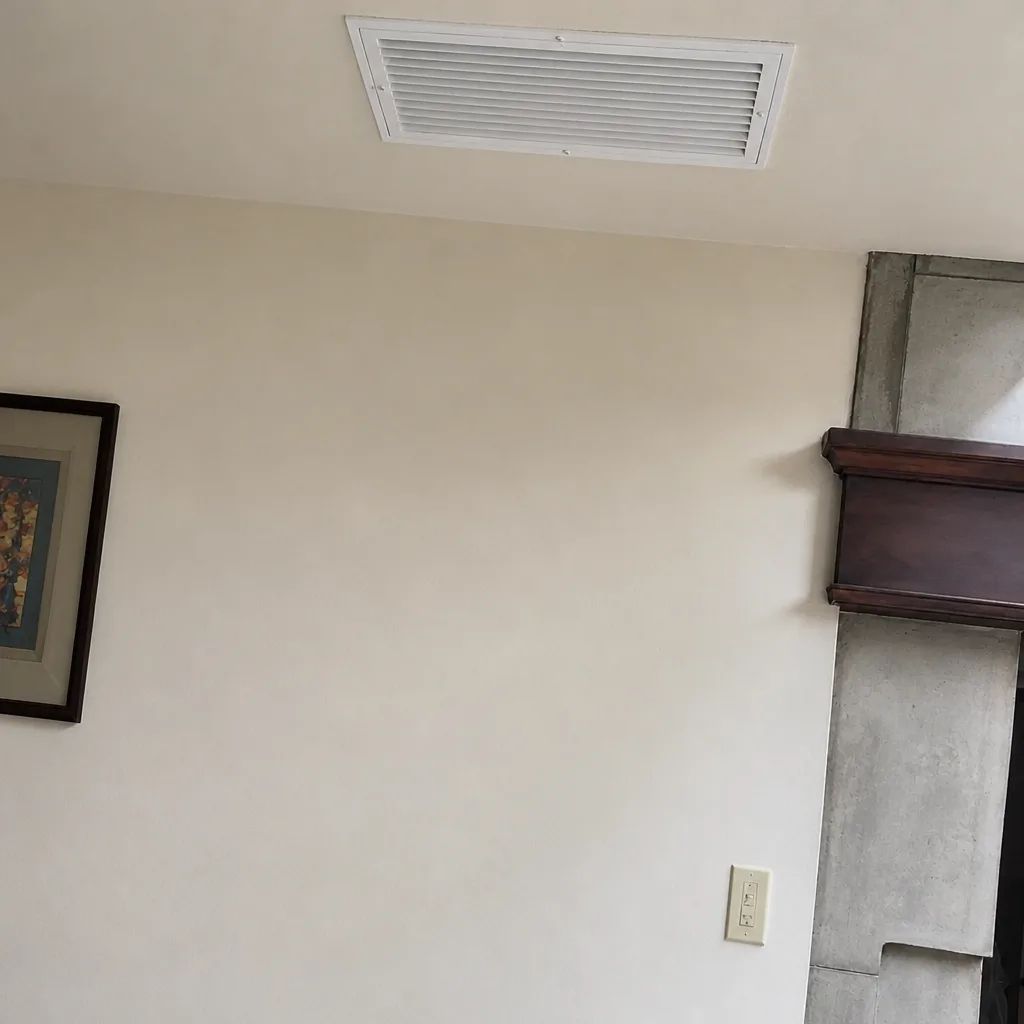
Whole-system duct and dryer vent check with before-and-after photos - you see exactly what came out of your vents
That "$99 whole-house special" is a bait ad - the real number appears once they are in your hallway, or the "clean" is a shop-vac at the register. We photograph the inside of your ducts before and after instead.
The Complete Guide to Air Duct Cleaning in Laguna Niguel
Most air duct guides are written for climates with four seasons. Laguna Niguel has marine layer mornings, dry Santa Ana afternoons, and wildfire smoke windows, and your ducts collect debris from all three. That combination is why the advice you find online often misses the mark here. A home in Laguna Niguel doesn’t face the same duct problems as a house in Minnesota or Phoenix. It faces a specific mix: damp overnight air that settles into flexible ductwork, canyon pollen pushed uphill by afternoon winds, and ash that rides in on smoke events. This guide walks through what actually happens in a Laguna Niguel duct system, what professional equipment does that a shop-vac won’t, and how to tell whether the crew you hired did real work or just made noise.
Quick Answer
Air duct cleaning in Laguna Niguel means mechanically removing accumulated dust, pollen, ash, and settled debris from the supply and return ductwork using negative-pressure containment and rotary brush systems, then treating the system so it stays clean. It matters more here than in most of Southern California because the marine layer and canyon pollen corridors push fine particulate into return ducts year-round. A proper job takes a few hours, covers the full air pathway, and ends with before-and-after documentation rather than a vague assurance that everything is fine.
Styles & brands we work with
- Whole-home duct cleaning
- Dryer vent cleaning
- Camera inspection
- Sanitizing & deodorizing
Table of Contents
- Why Laguna Niguel’s Climate is Hard on Ductwork
- The Marine Layer and Your Flexible Ductwork
- Aliso and Wood Canyons: Pollen and Ash Loading
- What Professional-Grade Equipment Actually Does
- Source Removal vs. Blow-and-Go Cleaning
- How a Full-Service Duct Cleaning Visit Works
- What Air Duct Cleaning Costs in Laguna Niguel
- How Often Ducts Really Need Cleaning
Why Laguna Niguel’s Climate is Hard on Ductwork
Laguna Niguel sits in a peculiar climate slot. Spring and early summer bring a persistent marine layer that keeps overnight humidity high, then burns off into dry, warm afternoons. Fall introduces Santa Ana winds that drop humidity sharply and push dry, dusty air through the canyon corridors. Wildfire season adds a third layer: smoke events that send fine ash particles into every open window and every return register.
That cycle of damp-to-dry-to-ashy air is what makes duct contamination here different. Dust in a humid climate clumps and sticks to duct walls rather than blowing through. Pollen from the surrounding hills is fine-grained and easily drawn into return air. Ash is lighter still and settles wherever airflow slows. Together, they build a sticky, layered film that a light vacuuming can’t lift.
Older tract homes in Laguna Niguel neighborhoods like Bear Brand and Marina Hills were built in the 1985 to 2005 window, and many use flexible duct runs in the attic. Flex duct has ridges and a corrugated inner liner that traps particulate more effectively than metal duct, and once debris starts clinging to the liner it stays there. Combined with the humidity from the marine layer, that trapped film is exactly the environment where biological growth can begin.
If you’ve noticed musty smells when the HVAC first kicks on in the morning, or if allergy symptoms get worse in spring, this pattern is a likely cause. It’s not a sign your system is failing. It’s a sign your ducts have collected a layer of fine material that needs mechanical removal, not a spray or a filter change.
The Marine Layer and Your Flexible Ductwork
The marine layer is the single biggest difference between Laguna Niguel duct problems and the duct problems you read about for the rest of the country. On a typical June morning, humidity can sit high enough that condensation forms on cool surfaces inside the attic. Flexible duct runs in particular sit below the roof deck, and their corrugated liners give moisture somewhere to settle.
Moisture alone isn’t the hazard. The hazard is moisture plus accumulated dust plus the fact that forced-air systems blow warm air through those ducts during the heating season. That combination is the setup for mold growth inside the liner, and once mold colonizes the flex duct, cleaning it is only part of the job. You also have to remove the moisture source.
What a Proper Duct Cleaning Covers Here
That’s why a cleaning visit in Laguna Niguel should include more than a pass with a vacuum. A real job covers:
- Mechanical agitation of the full length of every duct run, not just the accessible end
- HEPA filtration connected to the vacuum source, so fine particles don’t vent back into the attic or living space
- Containment at the supply and return registers during cleaning
- Sanitizing the interior after mechanical cleaning so any residual biological growth is treated
- Inspection of the flex duct for tears, crushed sections, or disconnected joints
Laguna Niguel Air Duct Cleaning Pros uses Abatement Technologies negative-air and containment equipment during cleaning, which is the same standard remediation crews apply. That matters more in a marine-layer climate because there’s more moisture in the dust being removed. When we sanitize, we use Guardsman-grade products, applied after the mechanical cleaning rather than as a substitute for it.
If mold is already established inside a flexible run, plans for air duct cleaning may also need to include replacing that section of duct rather than just cleaning it. We’ll flag that in the estimate.
Aliso and Wood Canyons: Pollen and Ash Loading
Homes on the eastern edge of Laguna Niguel, in neighborhoods that back up toward Aliso and Wood Canyons Wilderness Park, see a different debris pattern from homes closer to the coast. The canyons act as a source of fine pollen during the spring bloom, and they funnel afternoon wind that lifts that pollen straight uphill into nearby returns.
The result is measurable debris loading in return-air ducts on canyon-adjacent homes. We’ve seen return runs in those neighborhoods carry noticeably more fine material than supply runs, which makes sense: returns are lower-pressure and pull unfiltered room air through the grille. If your return grille sits near a sliding door or a window that stays open in spring, the accumulation builds faster.
Wildfire smoke events add ash on top of the pollen. Ash particles from a regional fire can travel miles and are fine enough to pass a standard 1-inch filter, which means they land in your duct system rather than being trapped at the return. After a significant smoke event in or near Laguna Niguel, homeowners often notice a faint burnt smell from the HVAC for weeks.
What This Means Practically
For canyon-adjacent homes, duct cleaning typically needs to happen more often than the industry default. Where the usual recommendation is every three to five years, a home near the canyon with a lot of pollen exposure might benefit from a look every two years. That’s not a sales pitch. It’s a reflection of how much material accumulates here versus a flat-terrain neighborhood.
If you’re uncertain, an inspection is the cheapest way to find out. We can run a camera down a return run and show you what’s there. Homeowners in nearby dryer vent cleaning calls often ask us to inspect the return while we’re on site, and the answer is usually obvious once the camera’s in the duct.
What Professional-Grade Equipment Actually Does
This is where the industry splits. A shop-vac and a hand brush cost under a hundred dollars and can be operated by anyone. A professional duct cleaning rig costs five figures and requires training to use. Both are sold as “duct cleaning” in advertising, which is why a homeowner has to look at the equipment rather than the price.
Why Negative Pressure Matters
Dust in a duct system is fine and light. Once you agitate it, it wants to escape through every seam, every register, and every connection. That means cleaning without containment makes the air in your home worse before it makes it better. The fix is negative pressure: a powerful vacuum connected to the system pulls the entire ductwork into a state of slight underpressure while cleaning happens, so loosened debris travels toward the vacuum rather than into your living room.
Laguna Niguel Air Duct Cleaning Pros uses Abatement Technologies containment and negative-air equipment during every job. In our experience, this is the difference between a job where the customer is coughing a week later and a job where they notice the change in a day.
Rotary Brush Systems
Mechanical agitation is the second half of the system. Air alone doesn’t dislodge debris that’s stuck to the walls of a duct, and a shop-vac fitted with a brush struggles in ducts longer than a few feet. Purpose-built rotary brush systems like Rotobrush and Nikro feed a spinning brush head down the duct from a powered reel, which is what lets a technician clean the full run rather than just the visible end.
- Rotobrush systems are the most common choice in North American residential duct cleaning. They combine a vacuum, a driven brush head, and a reel of flexible hose in one unit.
- Nikro builds a comparable line of contractor duct cleaning equipment with brush heads sized for residential flex and metal ductwork.
- Both systems are what a NADCA-certified contractor would actually use. A shop-vac isn’t.
You don’t need to know which model the crew brings. You do need to know that the crew shows up with a professional machine rather than a wet-dry vac from a hardware store.
Source Removal vs. Blow-and-Go Cleaning
The industry term for a proper job is “source removal” cleaning. That means the contaminants are physically removed from the system and captured in a HEPA-filtered vacuum, and they leave your house in a sealed container. The alternative, often called “blow-and-go,” agitates the dust without capturing it. Debris redistributes into the living space or settles further down the duct, and the customer sees a clean-looking register cover and assumes the job is done.
How to Tell Which One You Got
The difference isn’t hard to spot if you know what to look for.
- Containment equipment at the registers. A proper crew tapes off or covers supply registers during cleaning. If you saw no covers and no tape, the debris had nowhere to go but into your house.
- Before-and-after photos of your specific ducts. Any legitimate company will show you camera images of your ducts before and after, not stock photos of someone else’s system.
- Time on site. A real cleaning takes a few hours on a typical Laguna Niguel home. A 45-minute visit is a sign that the crew cleaned the registers and stopped.
- No chemical smell at the end. Fragrant “deodorizing” sprays are sometimes used to mask the fact that the ducts weren’t actually cleaned. A real job leaves a faint clean-air smell at most.
- Written itemization. Everything you agreed to should appear on the invoice with a photograph of the work, not just a line that says “duct cleaning.”
We’ve written on this point elsewhere because it comes up so often. If you want a simple rule: ask any crew, before you book, how they contain the ducts during cleaning and whether they’ll show you before-and-after images. Any answer other than “yes” and “yes” is your signal to call someone else.
For a deeper look at what HVAC cleaning involves beyond the ducts themselves, the air handler and evaporator coil are part of the picture too.
How a Full-Service Duct Cleaning Visit Works
A full-spectrum visit covers the entire air pathway in one trip: supply ducts, return ducts, the air handler interior, appliance vents if requested, and post-cleaning treatment. Here’s the sequence a proper Laguna Niguel visit follows.
- Inspection and walkthrough. Before any equipment comes in, the lead technician walks the house with you, marks the registers, checks for accessible flex duct in the attic, and takes baseline camera images of at least one supply and one return run.
- Containment setup. Every register is covered or taped. The vacuum source is connected to the main trunk or a designated access port, and negative pressure is established throughout the system.
- Mechanical agitation. Each duct run is cleaned end to end with a rotary brush system. The technician works from the farthest run back toward the vacuum source so debris is pushed toward capture.
- Air handler cleaning. The blower wheel, evaporator coil, and condensate pan are cleaned while the system is open. This is the point where most of the actual airflow improvement comes from.
- Duct inspection. Once the system is clean, the technician inspects the flex duct for tears, disconnected joints, crushed sections, or deteriorated insulation. Problems get photographed and shown to you before any repair work.
- Sanitizing. After cleaning and before reassembly, the interior of the ducts is treated with a Guardsman-grade sanitizing product. This is a finishing step, not a substitute for mechanical removal.
- Air quality recommendations. Once the system is clean, most homeowners benefit from upgraded filtration or purification at the air handler. We carry Honeywell and Aprilaire products because they’re the same brands HVAC contractors already specify, and we integrate them into the system rather than selling a standalone air purifier.
- Final walkthrough and documentation. Register covers come off, the system runs, airflow is measured at a couple of registers, and you get the after photos in writing along with the invoice.
If a leak or damaged section shows up during step five, it can be sealed and repaired during the same visit rather than scheduled as a return trip. That’s the practical value of a full-spectrum provider. If you have questions about how the full process fits into your home, Laguna Niguel Air Duct Cleaning Pros lays out the services in detail.
What Air Duct Cleaning Costs in Laguna Niguel
Air duct cleaning in Laguna Niguel typically runs in a range based on the number of runs, the system size, and whether repair or sanitizing is included. There’s no honest per-vent price, and any company quoting one is telling you something about their method. Whole-system pricing reflects the actual work.
Typical Estimate Ranges
| Service | Typical Range | Notes |
|---|---|---|
| Standard duct cleaning (1 system, up to 10 runs) | $395 – $650 | Includes mechanical cleaning, containment, and before/after photos |
| Larger system (11-20 runs) | $550 – $850 | Common in two-story Laguna Niguel homes |
| HVAC cleaning add-on (blower, coil) | $175 – $325 | Recommended for systems not cleaned in 5+ years |
| Duct repair and sealing | $150 – $500 | Per run, varies with damage extent |
| Sanitizing treatment | $125 – $250 | Post-cleaning, entire system |
| Dryer vent cleaning | $125 – $225 | Standalone service, NFPA-recommended annually |
These are estimates for planning, not quotes. The written estimate you receive after inspection sets the final price, and it’s free to get one. If a company won’t put a firm number on paper before the work starts, that’s the bait-and-switch pattern to walk away from: a teaser coupon that balloons into a much larger invoice once the equipment is in your driveway.
One more honest note on cost: cleaning that actually captures the debris costs more than cleaning that doesn’t, because the equipment costs more. The extra hundred dollars goes into HEPA containment, rotary tools, and the time to do the job properly. It’s not a premium. It’s the baseline.
How Often Ducts Really Need Cleaning
The usual answer is every three to five years, and that’s a reasonable default for a home in a mild climate. For Laguna Niguel specifically, the timing shifts depending on where you sit.
- Canyon-adjacent homes (Aliso and Wood Canyons side): every two to three years, because pollen and ash loading build faster than the default.
- Homes with flex duct built 1985-2005: every three to four years, because flex duct traps debris more than metal ductwork does.
- Homes with pets or recent remodeling: sooner, often every two years, because pet dander and drywall dust add to the normal load.
- After a regional wildfire smoke event: a targeted inspection, and often a cleaning if the smoke plume reached your neighborhood.
- After buying a home: a cleaning before move-in, since previous occupants’ accumulation becomes your problem otherwise.
The three-to-five-year default comes from the assumption that the climate is neutral. Laguna Niguel isn’t neutral. If the marine layer in your neighborhood is heavier than average, if you leave windows open during pollen season, or if your home is on the uphill side of a canyon, plan to clean sooner rather than later.
You can also treat the return grille as a rough gauge. Vacuum it, and look again in two weeks. If it’s already gray, the ducts behind it are loading faster than normal.
Common Mistakes to Avoid
These are the patterns we see most often when a Laguna Niguel homeowner calls us to correct a previous job or to check before hiring.
- Booking on price alone. The lowest quote is nearly always the lowest-effort job. A crew with a shop-vac charging $99 is not doing what a crew with a Rotobrush system and HEPA containment charging $450 is doing. They’re not comparable services.
- Skipping the air handler. Cleaning the ducts without cleaning the blower wheel and evaporator coil leaves the main source of airflow restriction untouched. Roughly half the improvement in airflow comes from the air handler cleaning, not the ducts.
- Never looking at the before-and-after photos. Any company doing a real job has camera images to show you. If none are offered, ask. If none exist, the cleaning likely didn’t go past the registers.
- Assuming a strong pine or lemon scent means clean. Fragrance is often used to cover the absence of cleaning. Real cleaning leaves a neutral smell, and the ducts should look clean through a camera.
- Ignoring the flex duct. A cleaning without inspection of the flex runs misses crushed sections and disconnected joints, which cause the exact airflow and dust problems cleaning is supposed to solve.
- Cleaning without addressing filtration. Keeping a worn 1-inch filter in a system that’s just been cleaned starts the accumulation all over again. Upgrading to a proper Honeywell or Aprilaire filter housing is the way to extend the result.
- Going years past the canyon schedule. A canyon-adjacent home that waits five to seven years between cleanings accumulates more than a proper mechanical cleaning can remove in one visit.
See the difference
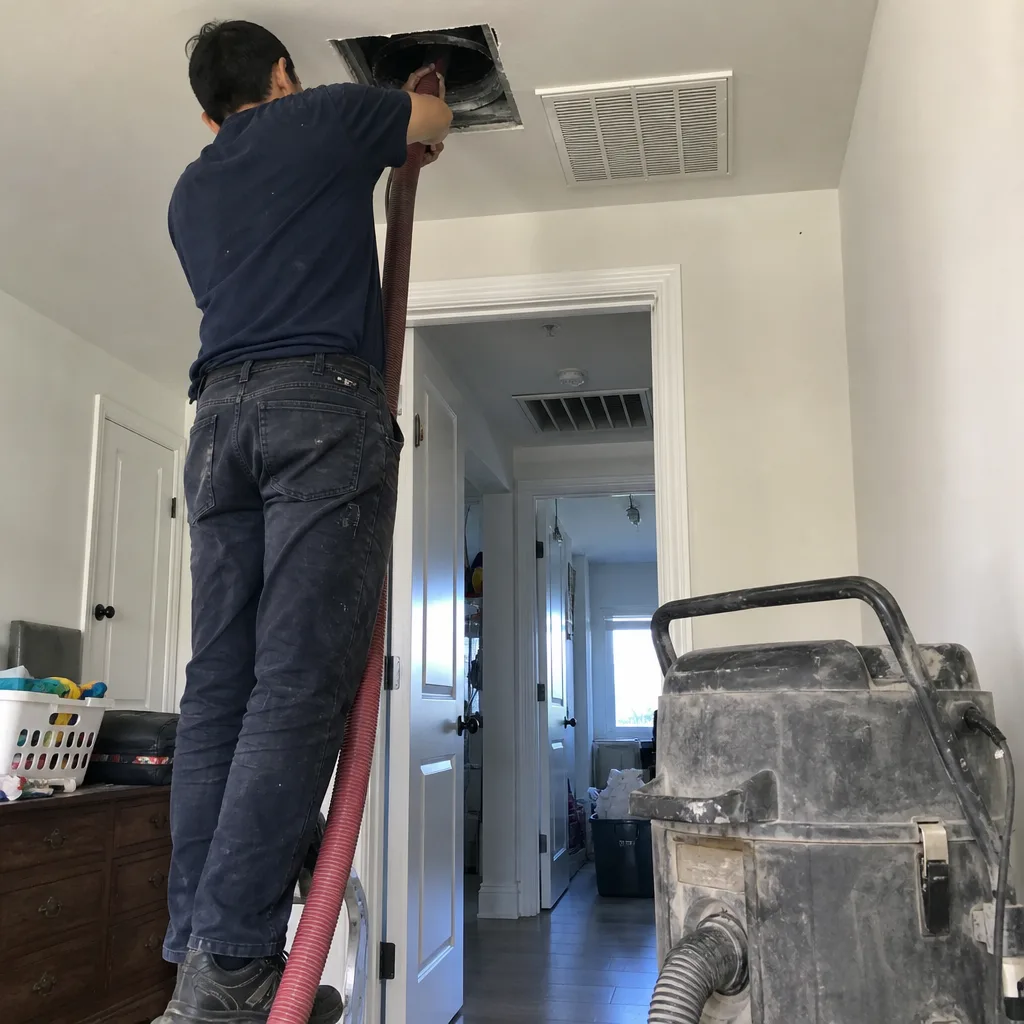 Before
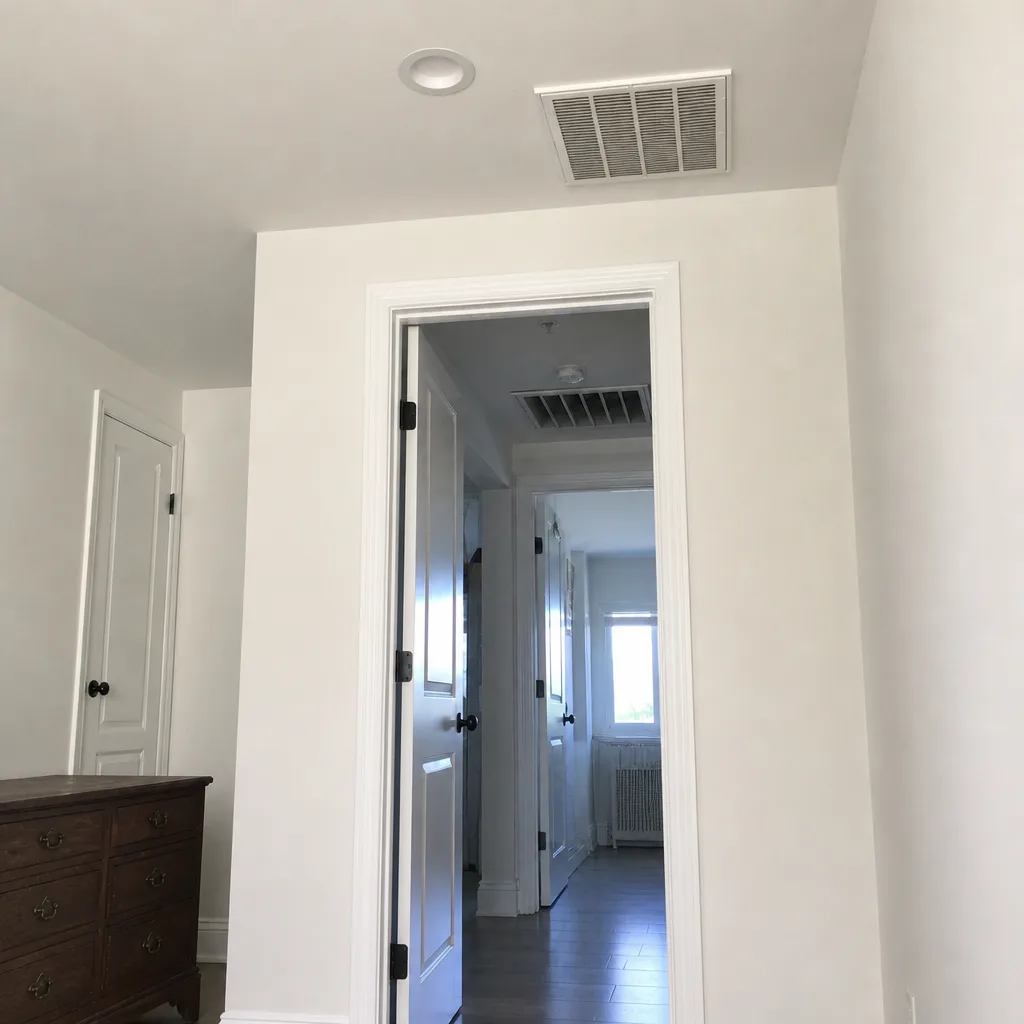 After
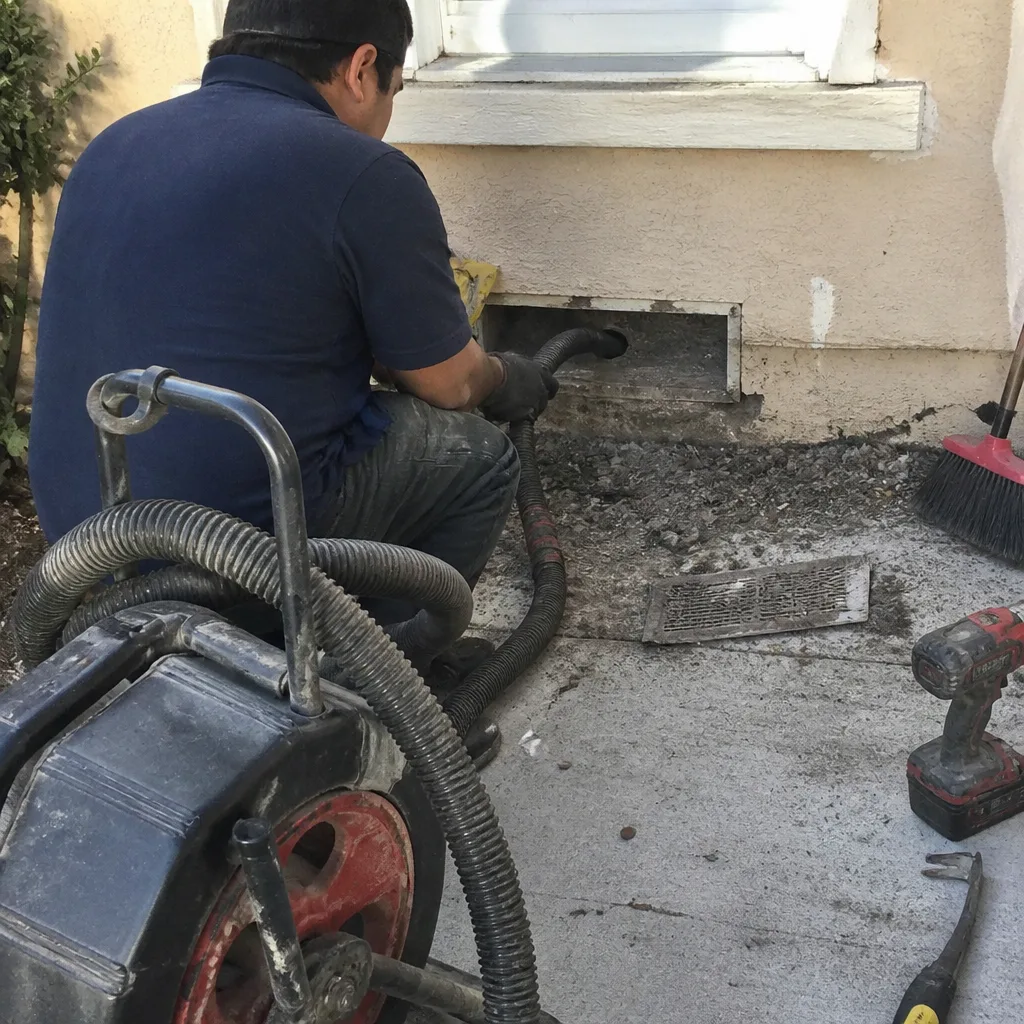 Before
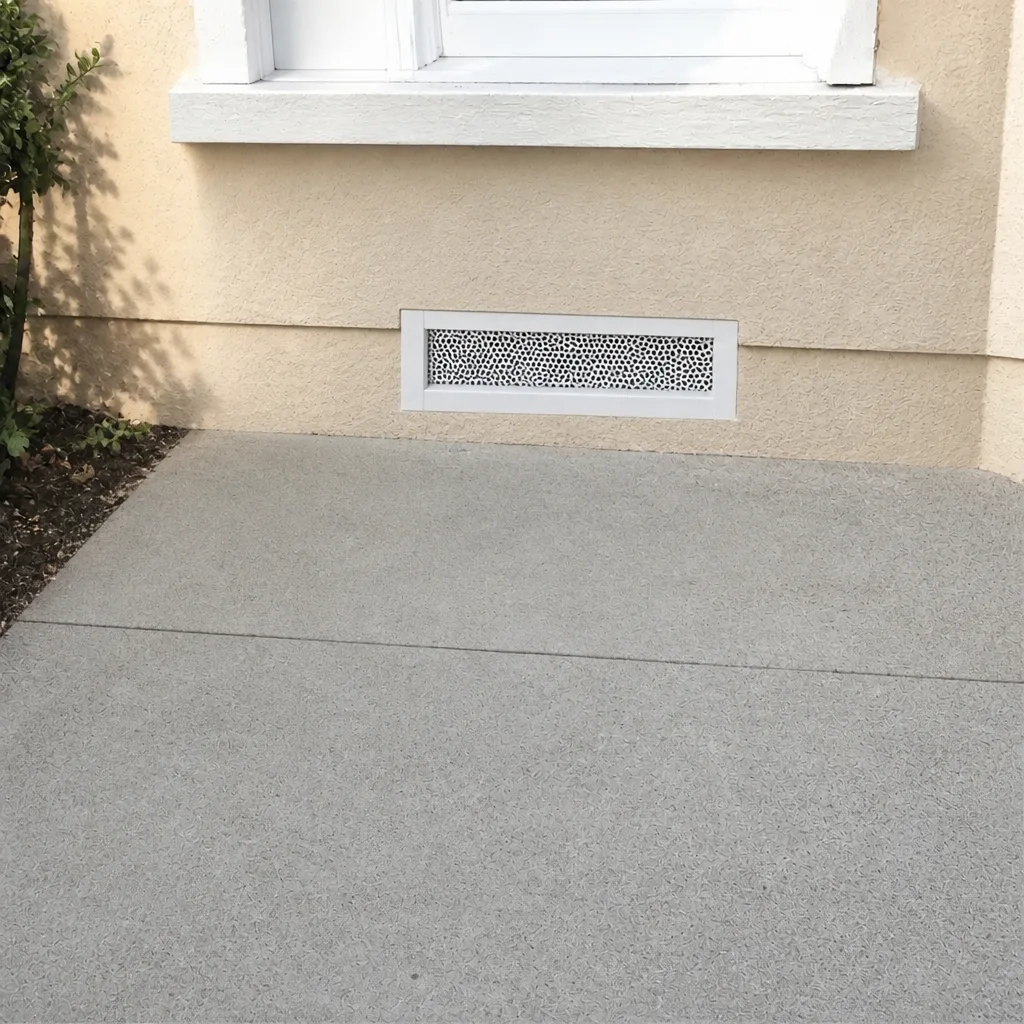 After
 Before
 After
When to Call a Professional
Some signs point clearly to professional help rather than a home fix. If airflow at your registers feels noticeably weaker than it did a year ago, if your HVAC runs longer to reach the same temperature, or if you notice musty or smoky smells when the system kicks on, those are the standard triggers. Allergy symptoms that get worse indoors, visible dust blowing out of supply registers, or visible debris on the return grille are all indications worth checking.
After a regional wildfire smoke event, an inspection is worth the call even without obvious symptoms, since ash is fine enough to settle in the return runs without a visible sign. Dryer vent cleaning is a separate but important item: the NFPA recommends annual dryer vent cleaning because lint accumulation is a documented fire hazard, and it’s the kind of risk that hides behind an appliance until it doesn’t.
Laguna Niguel Air Duct Cleaning Pros offers free estimates in Laguna Niguel. Call (877) 770-0716. We answer 24/7. Fast dispatch from 7am to 7pm, Sunday through Friday.
Frequently Asked Questions
Whole-system cleaning in Laguna Niguel typically runs $395 to $650 for a standard single-system home with up to 10 runs, and $550 to $850 for larger systems with 11 to 20 runs. HVAC cleaning, sanitizing, and duct repair are priced separately if needed. The written estimate after inspection sets the final price. Call (877) 770-0716 for an exact quote. Estimates are free.
Because they’re quoting a different service. A crew with a shop-vac and a hand brush can offer a $99 “duct cleaning” indefinitely, but that job doesn’t include air containment, doesn’t use rotary brush equipment, and doesn’t capture the debris it loosens. Customers who pay for that often wind up calling us within a year to redo it properly, which means the cheap quote was the expensive choice. Call (877) 770-0716 for a quote from a crew that shows up with professional equipment.
You look at the before-and-after camera images of your own ducts, not stock photos. A proper job includes those images in the written documentation along with your invoice. You should also see containment at the registers during cleaning and see the rotary brush equipment in use. Call (877) 770-0716 to book a cleaning and we’ll walk you through the documentation step by step.
Every three to five years is a reasonable default for most homes, but canyon-adjacent neighborhoods near Aliso and Wood Canyons often need it every two to three years because of elevated pollen and ash loading. Homes with flex duct built between 1985 and 2005 should also lean toward the shorter interval. Call (877) 770-0716 for a free inspection and we’ll recommend an interval based on your specific home.
Yes, for two reasons unrelated to allergy symptoms. First, accumulated debris in the return ducts and the blower wheel restricts airflow, which makes the HVAC work harder and run longer. Second, the marine layer in Laguna Niguel creates a moisture environment inside flex ductwork where biological growth can start, and cleaning plus sanitizing addresses that whether or not you have symptoms. Call (877) 770-0716 to schedule an inspection.
Yes. Dryer vent cleaning is a separate service with a specific purpose: the NFPA recommends annual cleaning because lint accumulation is a documented fire hazard. We run it as a standalone service or attached to a duct cleaning visit if both are due at the same time. Call (877) 770-0716 to schedule either or both.
The Bottom Line
Duct cleaning in Laguna Niguel isn’t the same as duct cleaning in a climate with four equal seasons. The marine layer loads moisture into flex duct built in the 1985 to 2005 window. The canyon corridors push pollen uphill into return runs. Wildfire smoke events add fine ash on top of both. A proper job removes all three with mechanical agitation, HEPA containment, and post-cleaning sanitizing, and it shows you the before-and-after images of your own ducts. Anything less isn’t cleaning; it’s noise. The written estimate sets the price, and the estimate is free.
If you want a full-spectrum service visit that covers ducts, HVAC components, dryer vents, and air quality treatment in one trip, call Laguna Niguel Air Duct Cleaning Pros at (877) 770-0716 for a free estimate. We answer 24/7. Fast dispatch from 7am to 7pm, Sunday through Friday. Our technicians have up to 12 years of experience, and the local pro we connect you with is licensed and insured as their state requires.
Written by the team at Laguna Niguel Air Duct Cleaning Pros.