
Last updated November 25, 2026
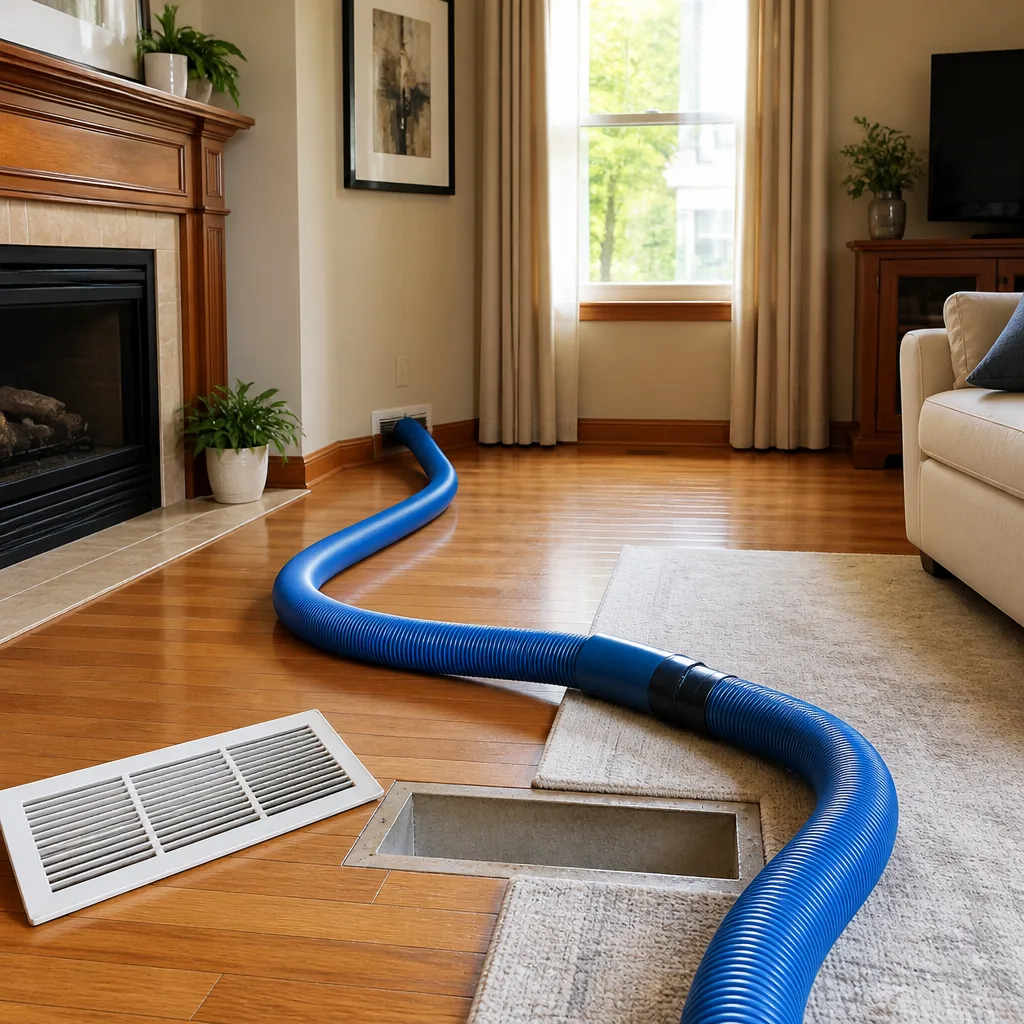 Whole-home duct cleaning
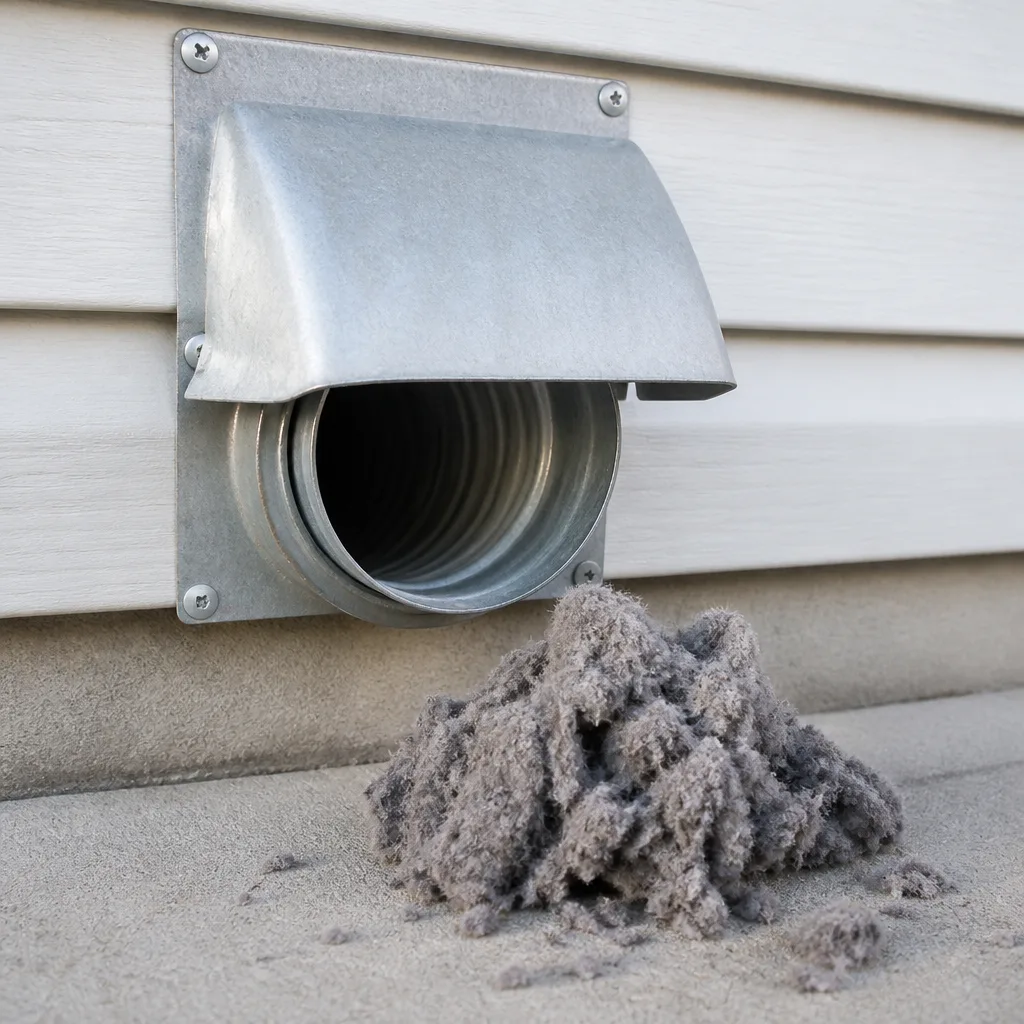 Dryer vent cleaning
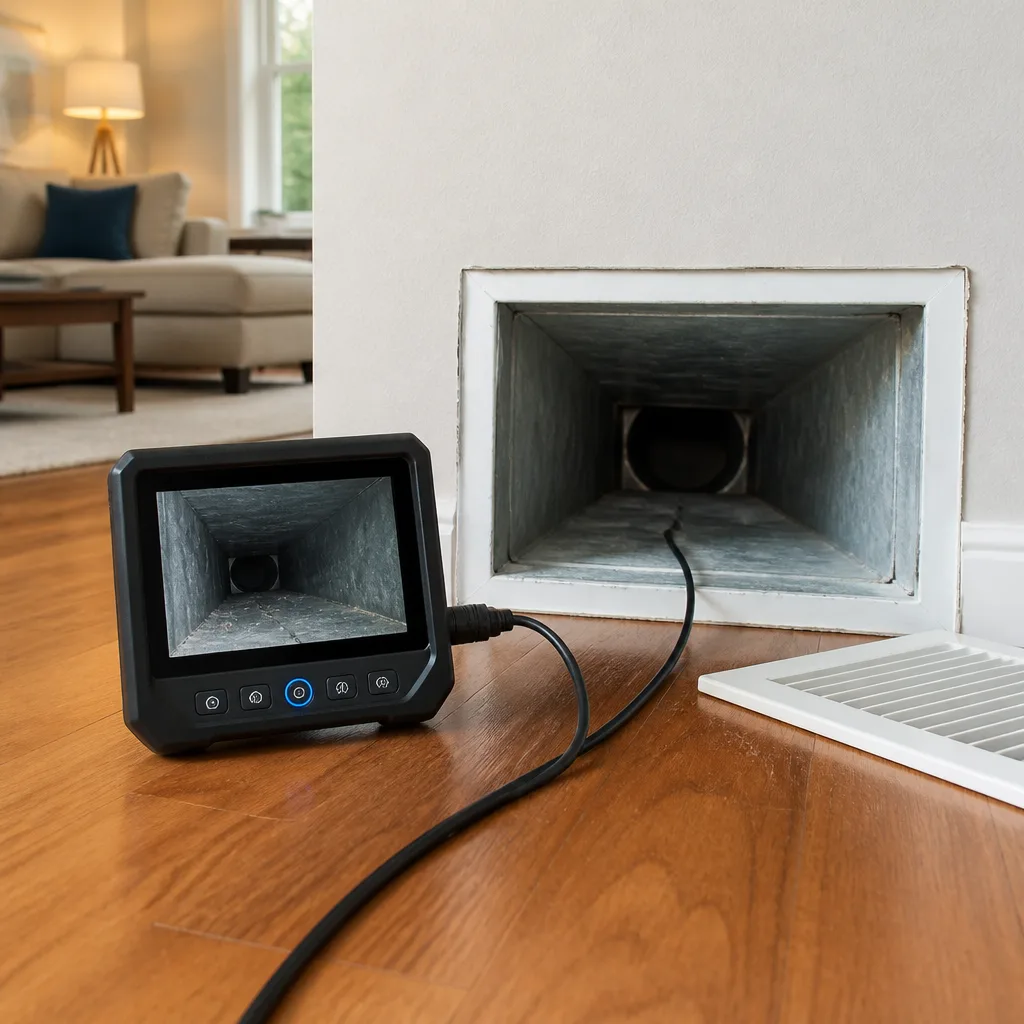 Camera inspection
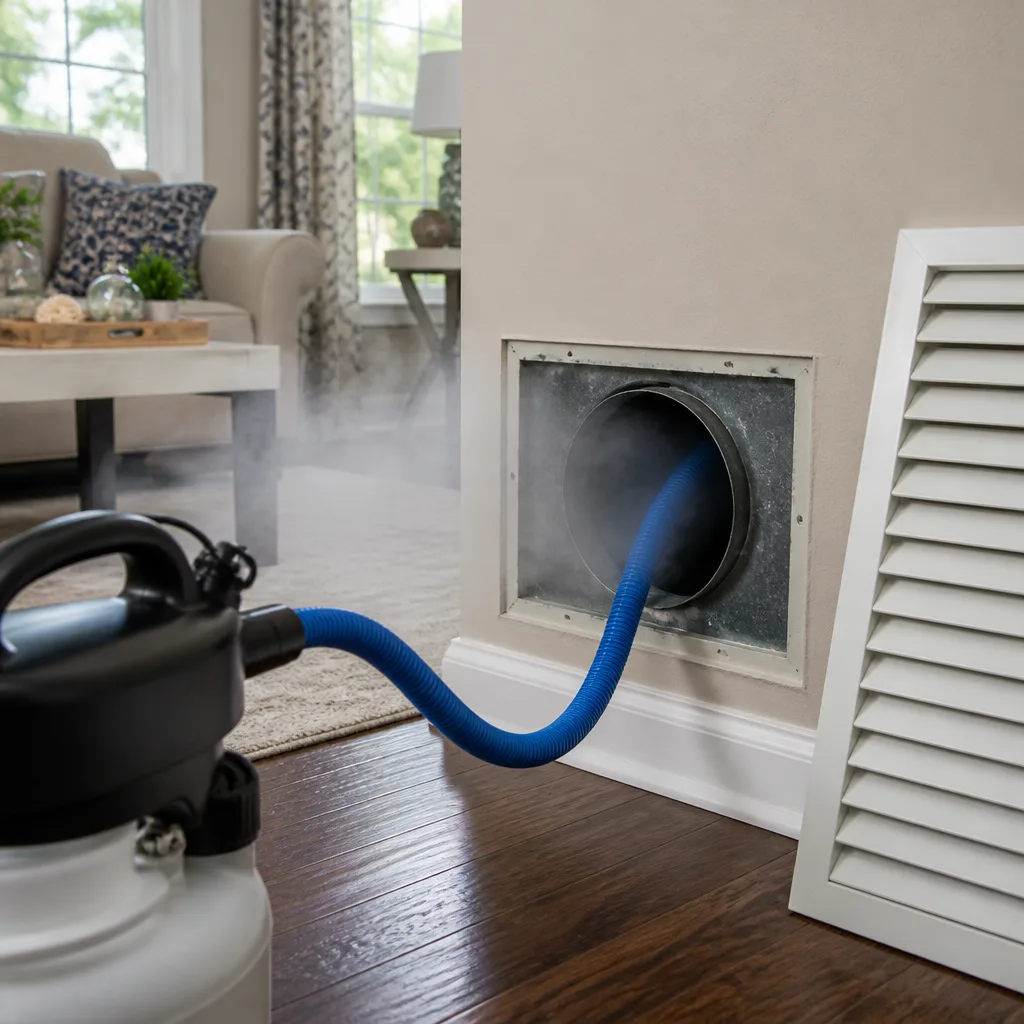 Sanitizing & deodorizing
Whole-system duct and dryer vent check with before-and-after photos - you see exactly what came out of your vents
That "$99 whole-house special" is a bait ad - the real number appears once they are in your hallway, or the "clean" is a shop-vac at the register. We photograph the inside of your ducts before and after instead.
DIY vs Professional Air Duct Cleaning: The Laguna Niguel Homeowner’s Decision Guide
A rented duct cleaning vacuum pulls roughly 150 CFM. A truck-mounted professional unit pulls 12,000 to 16,000 CFM and holds negative pressure across the whole duct system at once. That gap isn’t a marketing talking point. It decides whether you’re actually removing contamination or just knocking it loose so it settles somewhere else in the house. Most DIY advice online skips that distinction, then hands you a shop vac and a brush and calls it a plan. In this guide we’ll map the real boundary: what consumer equipment can honestly reach, what it can’t, when doing it yourself is genuinely fine, and how to use a home inspection to scope a professional job before you ever pick up the phone. If you live in Laguna Niguel and you’ve been staring at a dusty register wondering where to start, this is for you.
Styles & brands we work with
- Whole-home duct cleaning
- Dryer vent cleaning
- Camera inspection
- Sanitizing & deodorizing
Quick Answer
DIY air duct cleaning only makes sense for register covers and the first two to three feet of accessible duct run. Everything past that – main trunk lines, the return plenum, the air handler cabinet, and any duct with visible mold – sits beyond what consumer equipment can reach and extract. For those parts of the system, professional cleaning with truck-level suction and containment is the only method that actually removes debris instead of redistributing it.
Table of Contents
- Why Airflow Volume Decides Everything
- What DIY Air Duct Cleaning Can Realistically Handle
- What DIY Can’t Reach (and Why That Matters)
- The Mold Scenario: When DIY Makes It Worse
- Rental Equipment in South Orange County: What’s Actually Available
- Using a DIY Pre-Inspection to Scope a Professional Job
- Scenarios Where DIY Is Genuinely Enough
- Common Mistakes to Avoid
- When to Call a Professional
- Frequently Asked Questions
- The Bottom Line
Why Airflow Volume Decides Everything
Air duct cleaning is a physics problem before it’s a labor problem. Debris in a duct system – dust, dander, drywall dust from a past remodel, lint, insect fragments – clings to surfaces and collects at transitions, elbows, and the plenum above the furnace. To remove it, you need enough air velocity to break it loose and enough sustained negative pressure to pull it into a collection unit before it drifts into the living space. Consumer vacuums, even the good ones, can’t do both at once.
Here’s the rough comparison that matters when you’re weighing DIY against a professional job:
- Rented duct cleaning vacuum: roughly 150 CFM of suction through a single hose, no ability to pressurize the system from the far end, no HEPA containment on exhaust in most rental units.
- Truck-mounted professional unit: 12,000 to 16,000 CFM, negative pressure held on the entire system simultaneously, HEPA filtration on the exhaust.
- Compressed-air whips and rotary brushes (professional): agitate debris from duct walls so suction can carry it out, rather than relying on airflow alone.
- Hand brushes and shop vacs (DIY): reach only what’s directly visible and within a few feet of the register.
That difference is why we run Rotobrush and Nikro mechanical cleaning systems rather than improvising with a shop vac and a brush kit. They’re purpose-built for the job – rotary agitation up close, high-volume extraction pulling from the other end – and they’re the same class of equipment NADCA-certified contractors use. For a Laguna Niguel home with a typical tract-built duct layout, the duct runs are often longer than homeowners expect, and the main trunk lines behind walls are exactly the sections a consumer vacuum never touches.
What DIY Air Duct Cleaning Can Realistically Handle
Here’s the honest answer that most DIY content refuses to give: there is real value in a homeowner-level cleaning, but it’s limited to the visible, accessible end of the system. If you go in expecting that scope, you’ll get useful results. If you go in expecting a full system clean, you’ll be disappointed.
What household tools can genuinely handle:
- Register covers. Pop them off, soak them in warm soapy water, scrub with a soft brush, dry fully, reinstall. This is the single highest-yield DIY task and it takes fifteen minutes per register. Most of the visible dust in a room starts at the register face.
- Register boots and the first two to three feet of duct. With a long flexible brush and a shop vac fitted with a HEPA filter, you can reach the boot and the first few feet of the branch run. This removes the loosest surface dust.
- Return air grilles. Same treatment as supply registers. Often overlooked, and often the dustiest surface in the house.
- Exterior of the air handler and visible cabinet panels. Vacuuming dust off the outside of the equipment and wiping down the filter slot is legitimate maintenance.
- Filter changes. Not a “cleaning” task in the strict sense, but the highest-return air quality action a homeowner can take on their own schedule.
There’s an important caveat buried in item two. Even a flexible brush reaching three feet into a duct is only scrubbing the walls it touches. It doesn’t pressurize the run from the far end, it doesn’t pull debris backward toward a collection unit, and it can’t agitate the whole circumference of the duct the way a rotary whip can. You’re spot-cleaning, not cleaning the run.
What DIY Can’t Reach (and Why That Matters)
This is where the decision actually gets made. The parts of a duct system that consumer equipment can’t touch are, almost without exception, the parts where contamination concentrates. It isn’t random – it’s the geometry of how HVAC systems collect debris.
- Main trunk lines. The large rectangular or round ducts running through walls, ceilings, and the attic. These are the highest-volume, longest runs in the system and are entirely inaccessible to a hand brush. Debris accumulates along the bottom of these runs over years.
- The return plenum. The section of duct directly above or beside the air handler that collects return air from the house. Because return air carries the dust load from every room, the return plenum is often the dirtiest section of the system, and it’s sealed inside the equipment closet.
- The air handler cabinet and evaporator coil. The interior of the air handler – where the blower and coil live – collects a fine mat of dust that restricts airflow and reduces efficiency. Consumer equipment should not enter this cabinet.
- Branch runs past the first bend. Once a flex duct elbows, a hand brush stops advancing. Debris accumulates at exactly that bend.
- Any duct with visible microbial growth. Cleaning this without containment and proper sanitizer application is a category of its own, which we’ll cover next.
In our experience, the calls that come in from Laguna Niguel homeowners who tried a DIY pass first usually share a pattern: the registers look clean, the boot and first few feet feel clean to the touch, but the visible dust in the house hasn’t changed. That’s not a homeowner failure. The contamination that matters lives past the point where consumer tools stop. Professional air duct cleaning exists precisely to close that gap.
The Mold Scenario: When DIY Makes It Worse
If you can see mold inside a supply register, inside the return, or on the surface of a duct boot, stop. This is the one situation where a well-intentioned DIY cleaning can turn a contained problem into a house-wide one, and it’s worth understanding why before you touch anything.
Mold spores are microscopic. They’re already present in most household air. The problem with visible growth in a duct system isn’t the spores you can see – it’s that the growth has colonized a porous surface (usually fiberglass duct liner or flex duct interior) and is actively releasing spores into the airstream. If you disturb that growth without containment, you aerosolize the spores and the HVAC system carries them to every room in the house within one blower cycle. You haven’t cleaned the mold. You’ve redistributed it.
The correct sequence for a mold-affected system is:
- Establish negative pressure and containment. The work area is sealed and held under negative air pressure so anything disturbed flows toward a HEPA-filtered collection unit, not toward the living space. This is why we use Abatement Technologies containment equipment – it’s the same standard remediation crews apply to contaminant work, not a light residential shortcut.
- Mechanically remove the growth and the debris it’s attached to. This is source removal, not treatment of the surface.
- Apply an EPA-registered sanitizer to cleaned surfaces. Sanitizer is applied after cleaning, not instead of cleaning. Spraying a dirty duct just wets the grime.
- Address the moisture source. If a duct is growing mold, something is feeding it. Condensation on an oversized air-conditioning system, a leaking evaporator drain pan, or a poorly sealed duct run through unconditioned space are common causes. In Laguna Niguel’s climate this is usually an AC-side issue, not a heating issue. Cleaning without fixing the source means the growth returns.
If you suspect mold in a Laguna Niguel duct system, the right call is to have it assessed before anyone runs a brush through it, yours or ours. Call (877) 770-0716 and we can walk through what you’re seeing and what the next step looks like.
Rental Equipment in South Orange County: What’s Actually Available
Walk into most local equipment rental yards in South Orange County and ask for a duct cleaning setup, and you’ll be handed one of a few options. Knowing what you’re actually getting helps you decide honestly whether the DIY route is worth the time.
- High-capacity wet/dry shop vacuum with a duct kit. Usually 6 to 16 gallons, with a long hose and a brush attachment. Suction is real but limited to the room where you’re working, and the exhaust isn’t HEPA-sealed in most rental units, which means fine dust goes back into the air you’re standing in.
- Portable duct cleaning vacuum. Some rental yards in the area carry a mid-size portable that produces more airflow than a shop vac, still a fraction of truck-mounted capacity. These often require you to provide your own compressor for agitation.
- Air compressor with a blow-out attachment. This is the setup worth being cautious about. Blowing air into a duct run without real extraction on the other end just moves the problem. For any system that has visible debris, this is the setup most likely to redistribute contamination into the living space.
Cost-wise, a rental day plus the fuel to drive across South Orange County, the accessories you have to buy, and the hours you’ll spend doing the work usually add up to a meaningful fraction of what a professional job costs – but without the extraction capacity or the containment, and without the coverage of the main trunk lines. If the job is genuinely just “my registers are dusty,” that trade might still make sense. If the job is “my house feels dusty and I can’t tell why,” the rental path is unlikely to solve it.
The other thing rentals don’t include: camera inspection, airflow diagnosis, duct repair, or the ability to fix what’s found. If a rental pass turns up a disconnected flex run or a crushed section behind a wall, you’ve found the real problem and the rental yard can’t help with it. That’s why we offer HVAC cleaning and duct repair alongside duct cleaning under one visit – when a problem surfaces, we can address it in the same trip rather than routing you to a second contractor.
Using a DIY Pre-Inspection to Scope a Professional Job
A little documentation before you call changes the entire conversation. Instead of a vague “I think my ducts are dirty,” you’re handing the technician a map. This is how we’d approach it in our own home, and it costs nothing but an hour with a flashlight and your phone.
Here’s the pre-inspection routine, step by step:
- Photograph every supply register in the house – one wide shot of the room, one close-up of the register grille. Note which rooms show visible dust on the fins and which don’t. Uneven dusting is a diagnostic signal.
- Photograph every return grille. Note whether the return grilles are on the wall, floor, or ceiling, and whether any show dark staining around the edges (which can indicate a leak past the seal).
- Turn the system to fan-only and stand at each register with a tissue or a piece of light toilet paper. Note airflow strength at each register. Registers with weak or no airflow are the ones that need the closest look. Uneven airflow across a house – cold in some rooms, warm in others – often comes back to a duct problem, not a cleaning problem, but the technician needs to know where to start.
- Before the call, check the air filter slot. Photograph the filter, note the change date on it, and photograph the slot around it. A filter that’s collapsing or bowing is a sign of blower-side static pressure that a technician should know about.
- Note any odors – musty, chemical, or “dusty” – and where in the house they’re strongest. A musty smell that’s worst in one room points to a specific run.
- Photograph the air handler cabinet (exterior only, don’t remove panels unless you know how to reinstall them safely). The make and model on the rating plate, plus the age, tells the technician a lot.
- Write down what you’ve already tried – register cleaning, filter replacement, dusting frequency – and whether anything changed. This is the single most useful thing you can bring to the call.
When you hand that set of photos and notes to a technician, the estimate is sharper and the scope is honest. If your pre-inspection shows good airflow everywhere, clean registers, and no visible debris, we’ll tell you so. Sometimes the right answer is “you don’t need a full cleaning; here’s what you can do yourself.”
Scenarios Where DIY Is Genuinely Enough
We don’t pitch professional cleaning as the answer to every dust problem. Here are the scenarios where the homeowner-level approach is the right one and a full professional clean would be overkill:
- Newer construction or recently cleaned system. If the ducts were professionally cleaned within the last few years and the filter changes have been kept up, register cleaning and a fresh filter genuinely covers it.
- Single visible issue limited to a register. If one register looks dustier than the others and everything else is fine, pop the register, clean it, and watch whether it stays clean. That’s a targeted fix, not a system clean.
- Post-remodel touch-up. A little drywall dust on a register face is a register problem, not a duct problem. If the remodel involved cutting into the HVAC system, that’s different – call us first.
- Rental property turnover with no complaints. Registers cleaned, filter changed, no odor, no airflow complaint. That’s a done job between tenants.
Laguna Niguel homes in particular tend to be well-sealed and heavily air-conditioned through the mild summer, which means the system runs often and the filter does the heavy lifting. A homeowner with good filter discipline and clean registers can go a long way before they need us. The question is whether the symptoms match a register problem or a system problem. If you’re not sure, our Laguna Niguel Air Duct Cleaning Pros team can help you tell the difference over the phone.
Common Mistakes to Avoid
- Blowing air into ducts without extraction. Using a compressor or leaf blower to “clear out” a duct run just moves the debris into the room you’re standing in. Every debris particle has to go somewhere, and without extraction on the other end it goes into your living space.
- Wetting down a dusty duct with sanitizer before cleaning it. Spraying sanitizer into a dirty duct dampens the grime without removing it. Sanitizer works after the surface is cleaned, not instead of cleaning it.
- Ignoring visible mold until it’s a bigger problem. A small visible patch behind a Laguna Niguel return grille is a contained issue a technician can address. After a DIY cleaning that aerosolizes the spores, it isn’t contained anymore.
- Forgetting the return side. Most homeowners focus on supply registers and ignore the return grilles. The return side is often dirtier and has more impact on indoor air because that’s the air being pulled back through the filter and coil.
- Using a household vacuum with a brush attachment on the main trunk. If it isn’t HEPA-sealed on the exhaust, a household vacuum blows the fine dust back into the room. That’s not cleaning, it’s redistribution.
- Skipping the filter change after a cleaning. A dirty filter after any cleaning pass undoes the work in a matter of weeks. Fresh filter before, fresh filter after.
- Never inspecting the dryer vent line while you’re in the utility area. Duct cleaning and dryer vent cleaning live in the same air pathway and share a lot of the same hazards. A clogged dryer vent is a documented fire risk – the NFPA recommends annual cleaning – and it’s easy to overlook while working in the same area.
When to Call a Professional
Call a professional when the symptoms point past the registers and into the system itself. That means: uneven airflow room to room, a musty smell that returns within days of dusting, visible dust after a cleaning attempt, a recent remodel that cut into ductwork, a filter that’s getting clogged faster than usual, or any visible microbial growth inside a duct. It also means any home where no one can say when the ducts were last cleaned and the system is more than a few years old. These aren’t DIY problems. They need camera inspection, extraction, and possibly containment, and a homeowner with a rented shop vac can’t do any of those safely.
If you’re in Laguna Niguel and any of those symptoms sound familiar, Laguna Niguel Air Duct Cleaning Pros offers free estimates in Laguna Niguel – call (877) 770-0716. We answer 24/7. Fast dispatch from 7am to 7pm, Sunday through Friday. Our technicians have up to 12 years of experience, we run Rotobrush and Nikro equipment, and one visit covers the full air pathway.
Frequently Asked Questions
Most whole-home duct cleaning jobs in Laguna Niguel land in a few-hundred-dollar range for a typical single-system house, with the exact figure set by a written estimate based on the number of runs, accessibility, and whether repair or sanitizing is needed. We don’t quote coupons or per-vent prices, because the honest scope is per-system. Call (877) 770-0716 for an exact quote – estimates are free.
Cheap quotes usually cover a much smaller scope than homeowners expect – a quick pass at the registers and the closest few feet of duct, without the main trunk lines, the return plenum, or proper containment. That’s essentially a fancier version of DIY. The price reflects the work, and the work in a real system clean is in the parts a low quote doesn’t touch. Call (877) 770-0716 for an honest scope and estimate.
Ask for before-and-after photos of your own ducts, taken during the job, and ask which equipment the technician will be using on site. A real job has visible evidence – photographs of the trunk lines and the return plenum before and after, and confirmation of the equipment make and model. Rotobrush and Nikro equipment is standard in the trade and worth asking about. Call (877) 770-0716 if you’d like to walk through what the work includes.
For most Laguna Niguel homes, every three to five years is a reasonable interval if the filter changes stay on schedule – not every year, and not never. Homes with pets, recent remodels, or allergy-sensitive occupants may benefit from a closer interval. A pre-inspection (photographs, airflow notes) tells you more about your specific house than any general guideline. Call (877) 770-0716 and we’ll help you read the signs.
You can clean register covers and the first two to three feet of accessible branch duct with rented equipment, and that has real value. What you can’t do is pressurize the main trunk lines, reach the return plenum, or establish containment – which is where the contamination that drives most complaints actually lives. For visible mold or persistent dust, DIY rental equipment is not the right tool. Call (877) 770-0716 to talk through what you’re seeing.
Locally the system runs heavily in cooling mode through most of the year, which means the filter is working hard and the dust load on the return side builds up faster than it does in climates with longer heating seasons. Combined with the fact that many tract-built homes in the area have long flex duct runs in the attic, the practical answer is that filter discipline matters more here than in milder climates. Regular filter changes, register cleaning, and a professional assessment every few years is a sensible pattern. Call (877) 770-0716 for a free estimate.
The Bottom Line
The DIY vs. professional decision comes down to one boundary: what a consumer-grade vacuum can actually reach and what it can’t. Registers and the first few feet of duct are fair game for a homeowner with a shop vac, a brush, and some patience. The main trunk lines, the return plenum, the air handler cabinet, and anything with visible mold are not – and those are where contamination concentrates. If your symptom is a dusty register, DIY is worth trying. If your symptom is persistent dust, musty odors, uneven airflow, or visible growth, the tool you need is the one on the truck, not the one on the rental shelf. Laguna Niguel Air Duct Cleaning Pros uses Rotobrush and Nikro equipment with Abatement Technologies containment, integrated with Honeywell and Aprilaire air quality treatment where it fits. One flat price per system agreed before work starts, before-and-after photos of your own ducts, and one visit for the full air pathway. Call (877) 770-0716. We answer 24/7. Fast dispatch from 7am to 7pm, Sunday through Friday. Estimates are free.
Written by the team at Laguna Niguel Air Duct Cleaning Pros.
See the difference
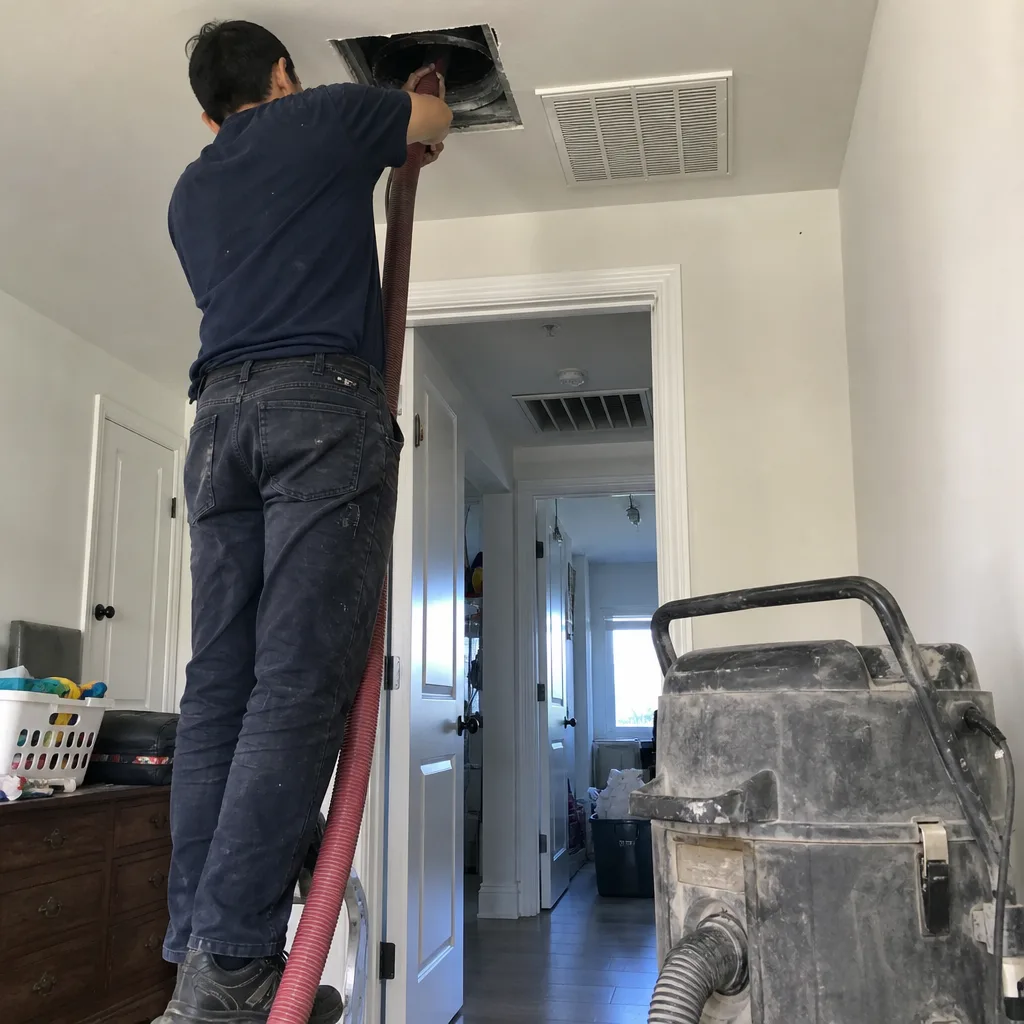 Before
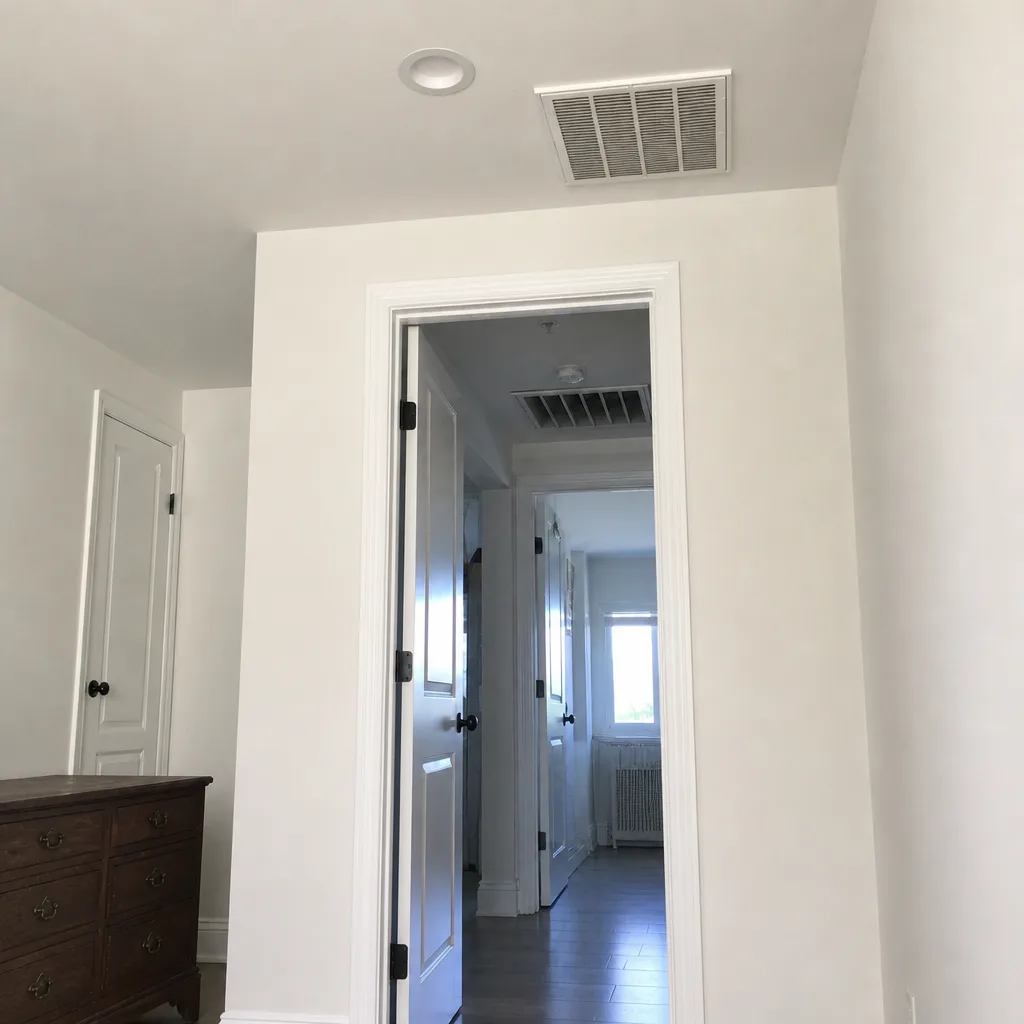 After
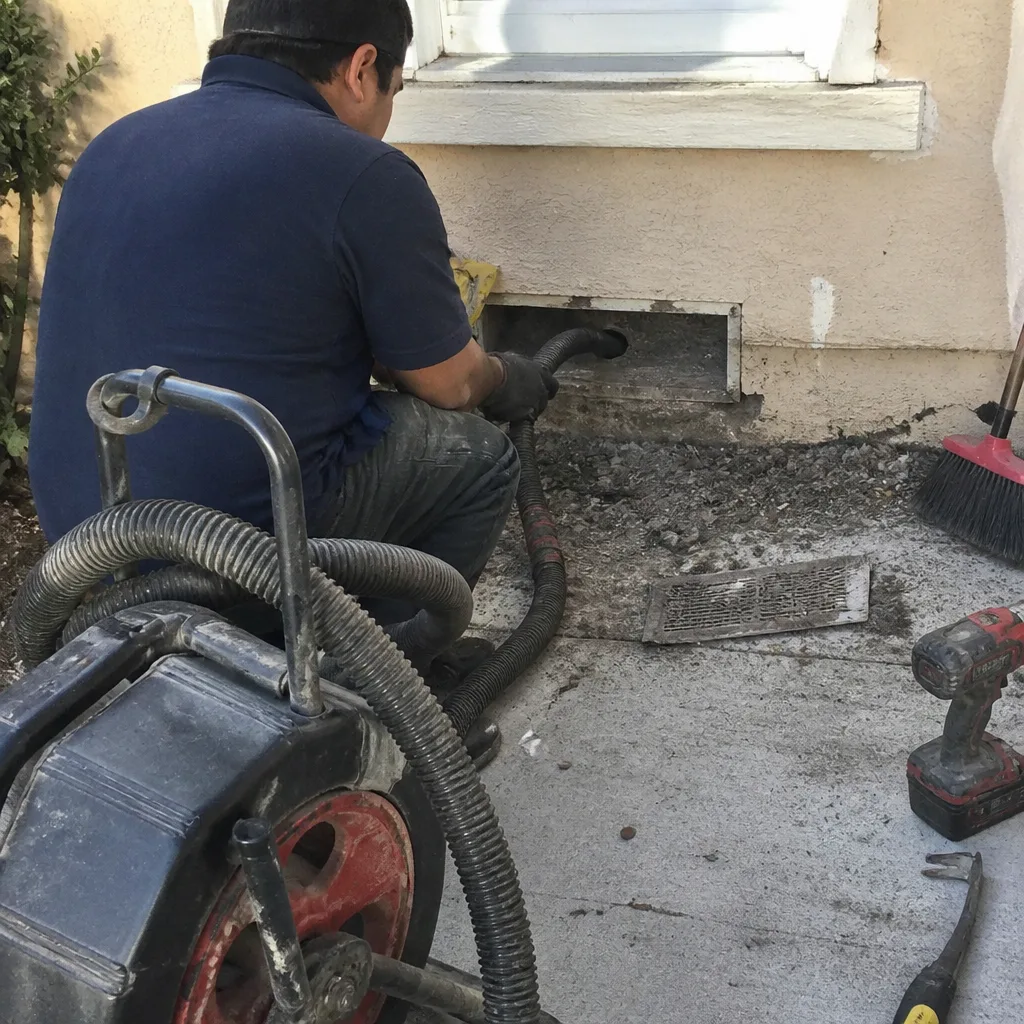 Before
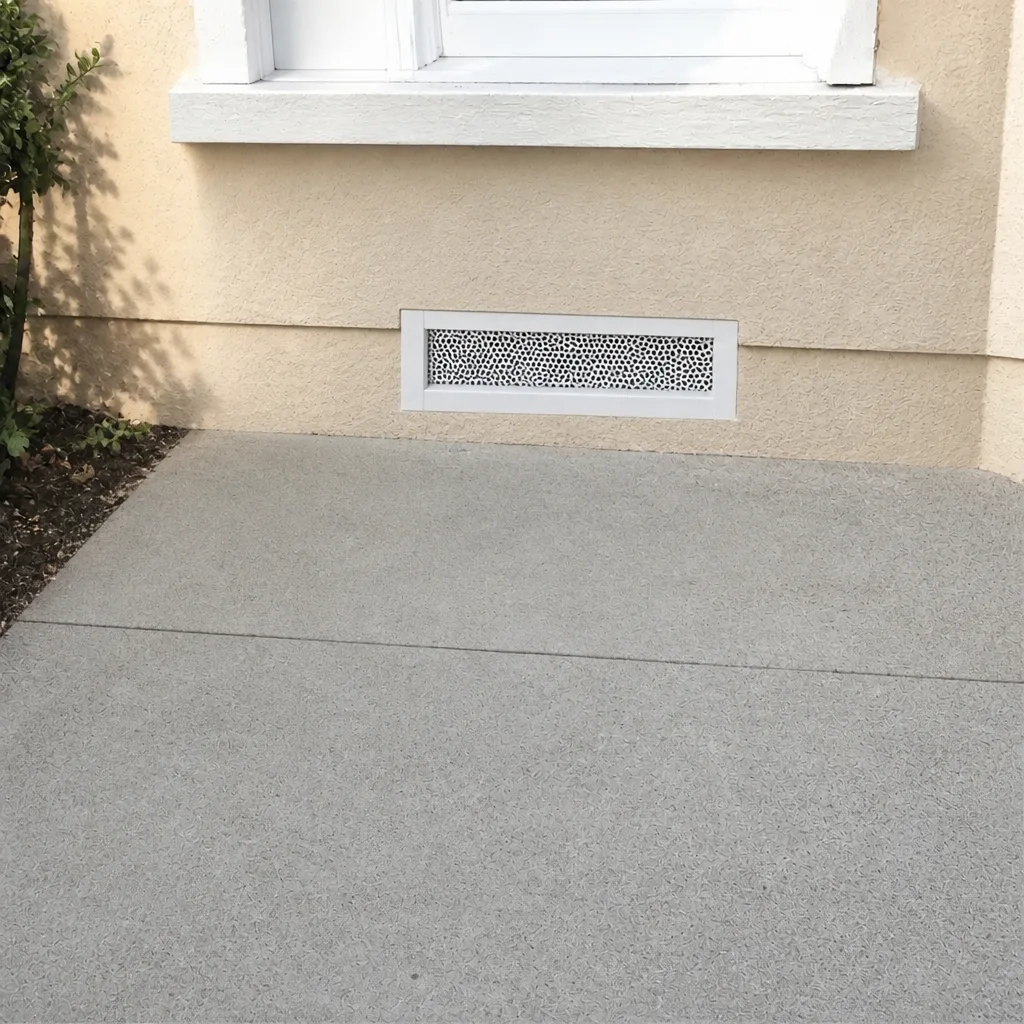 After
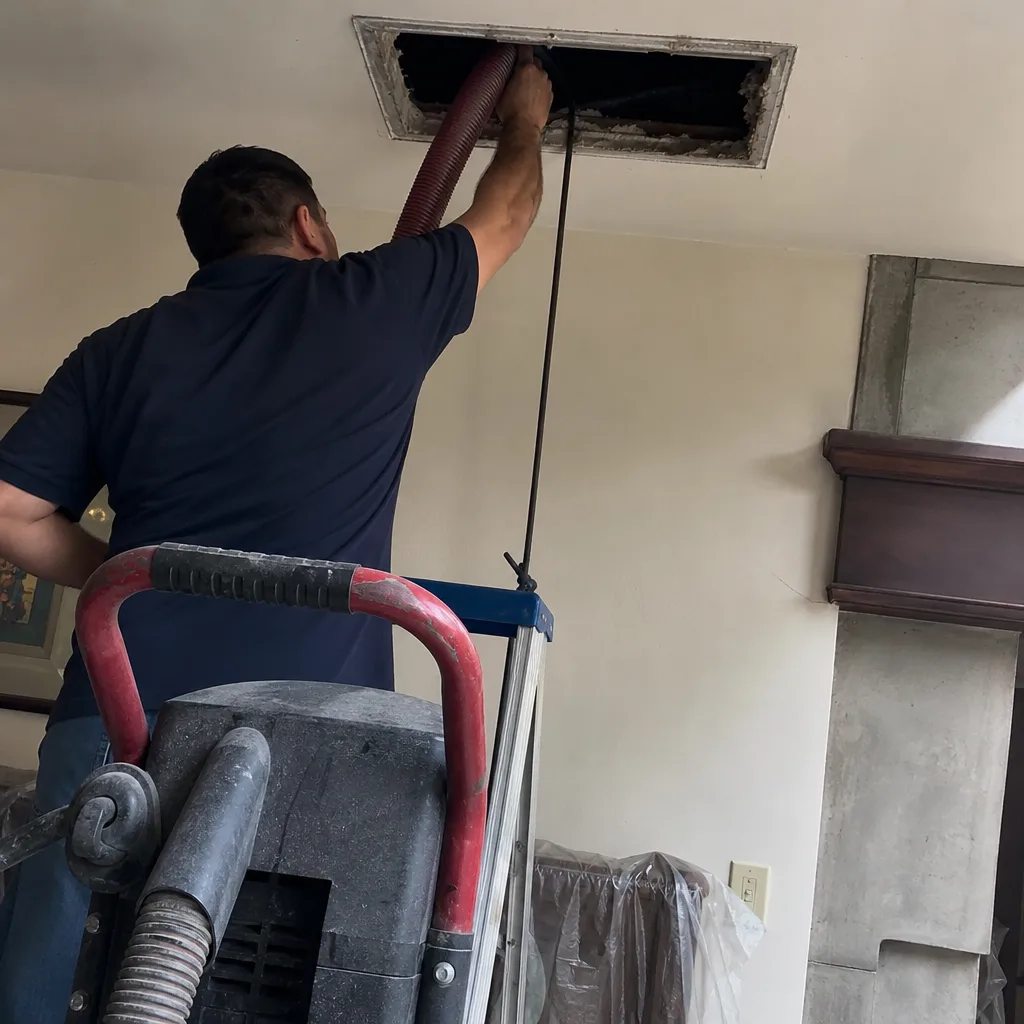 Before
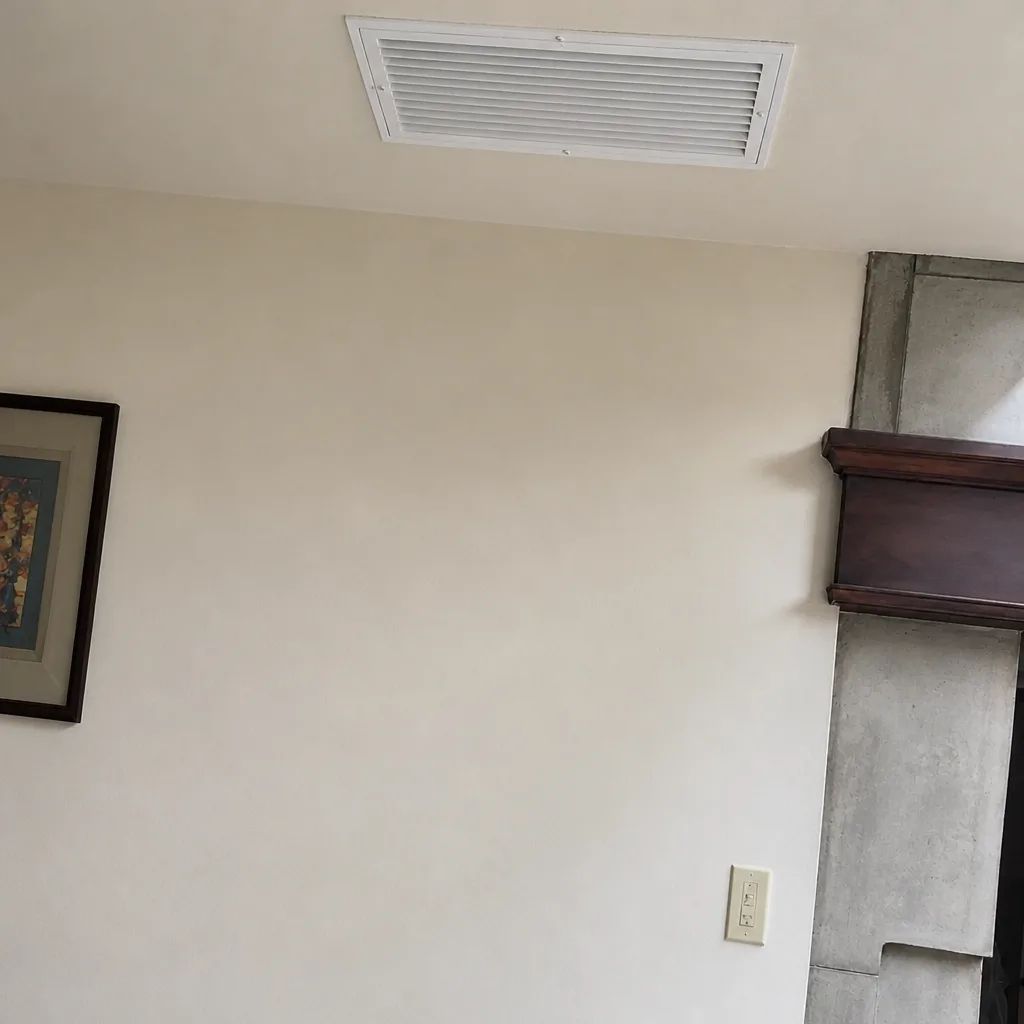 After