
Last updated November 25, 2026
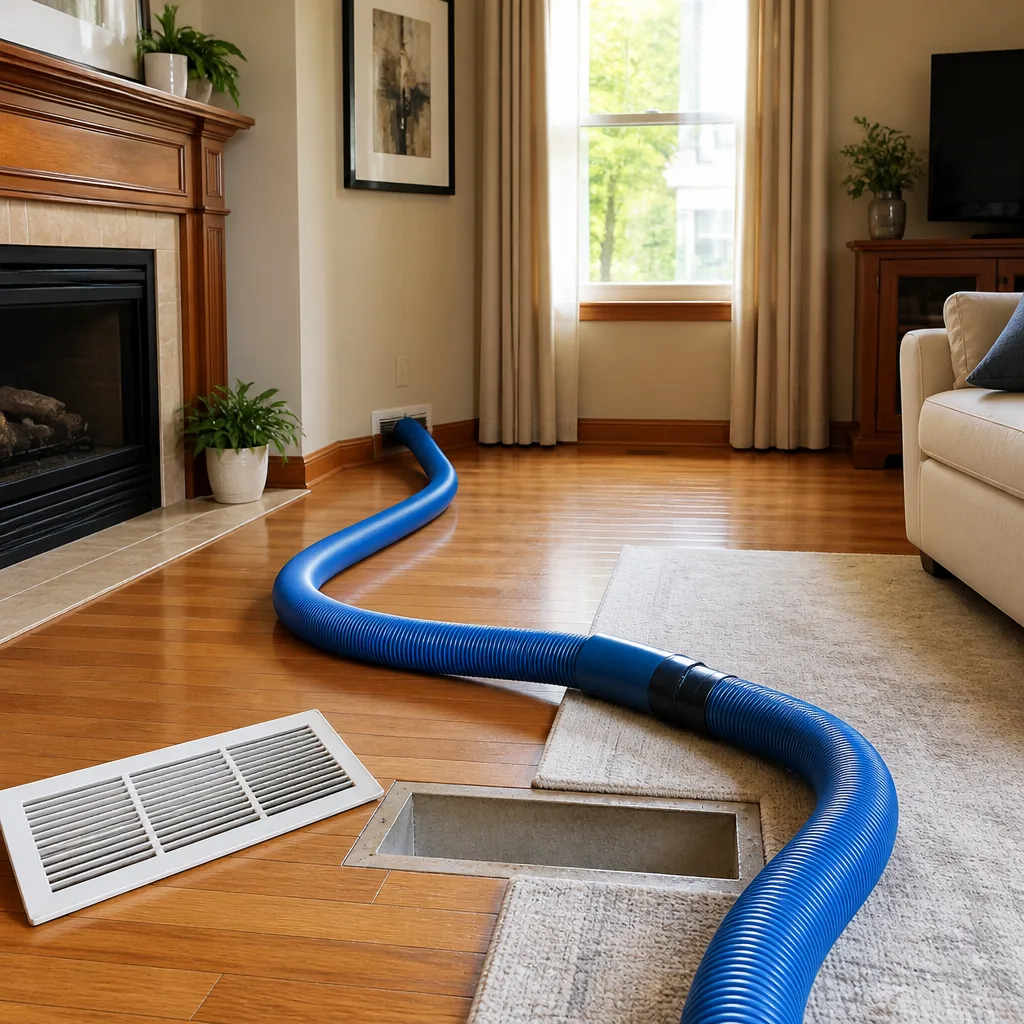 Whole-home duct cleaning
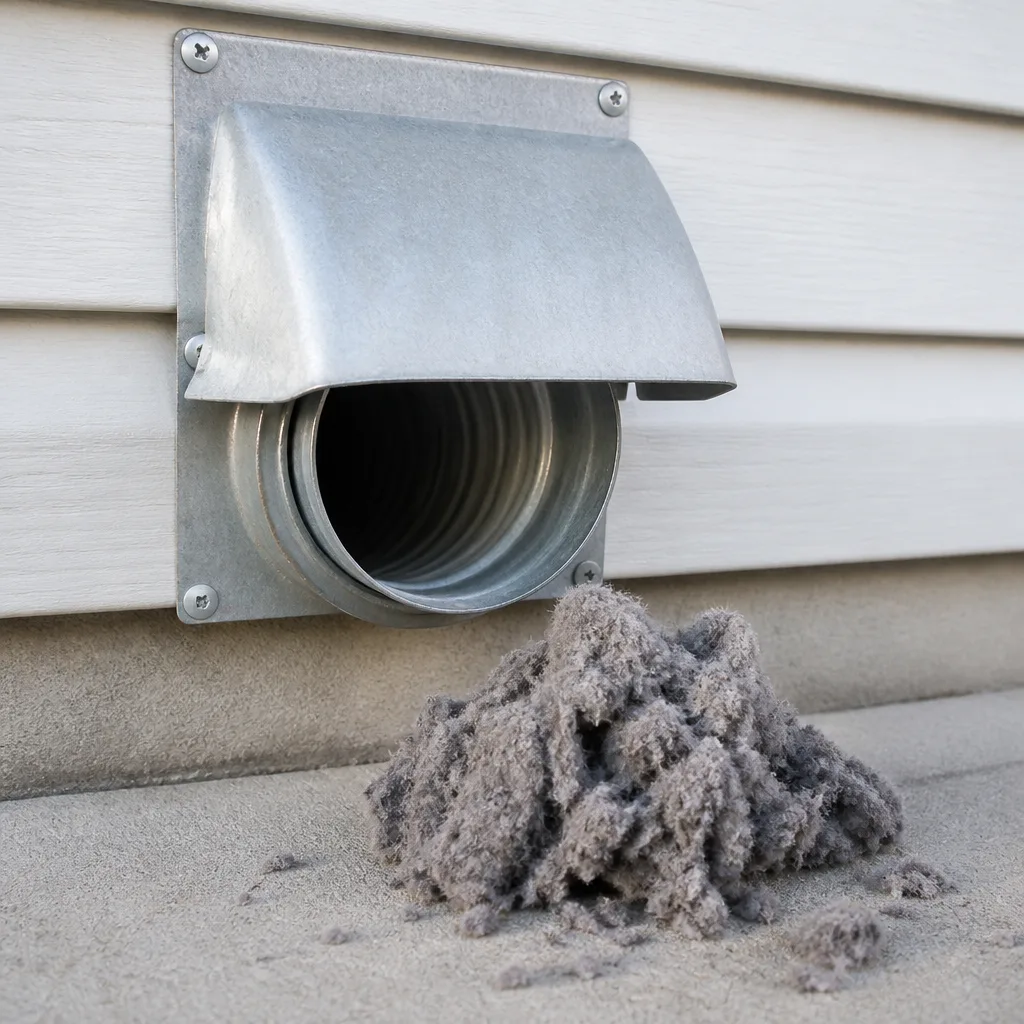 Dryer vent cleaning
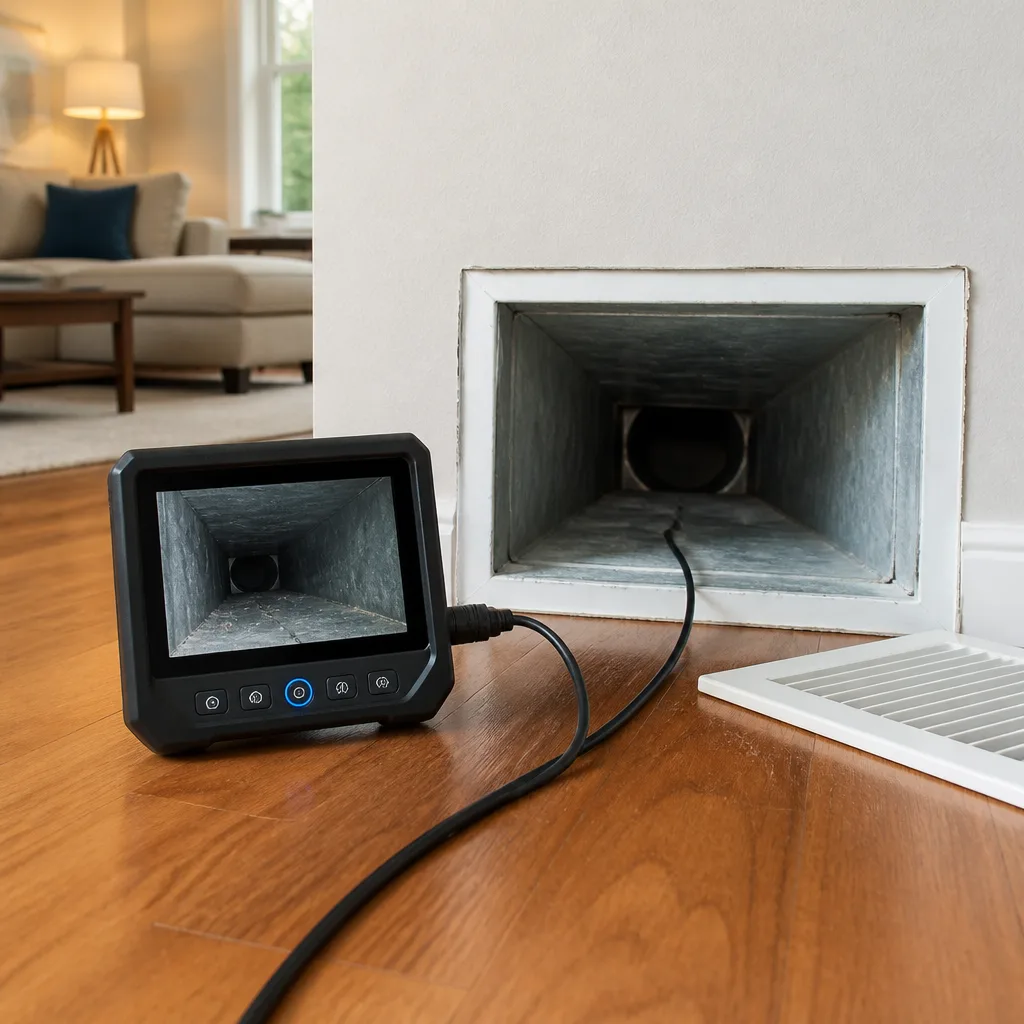 Camera inspection
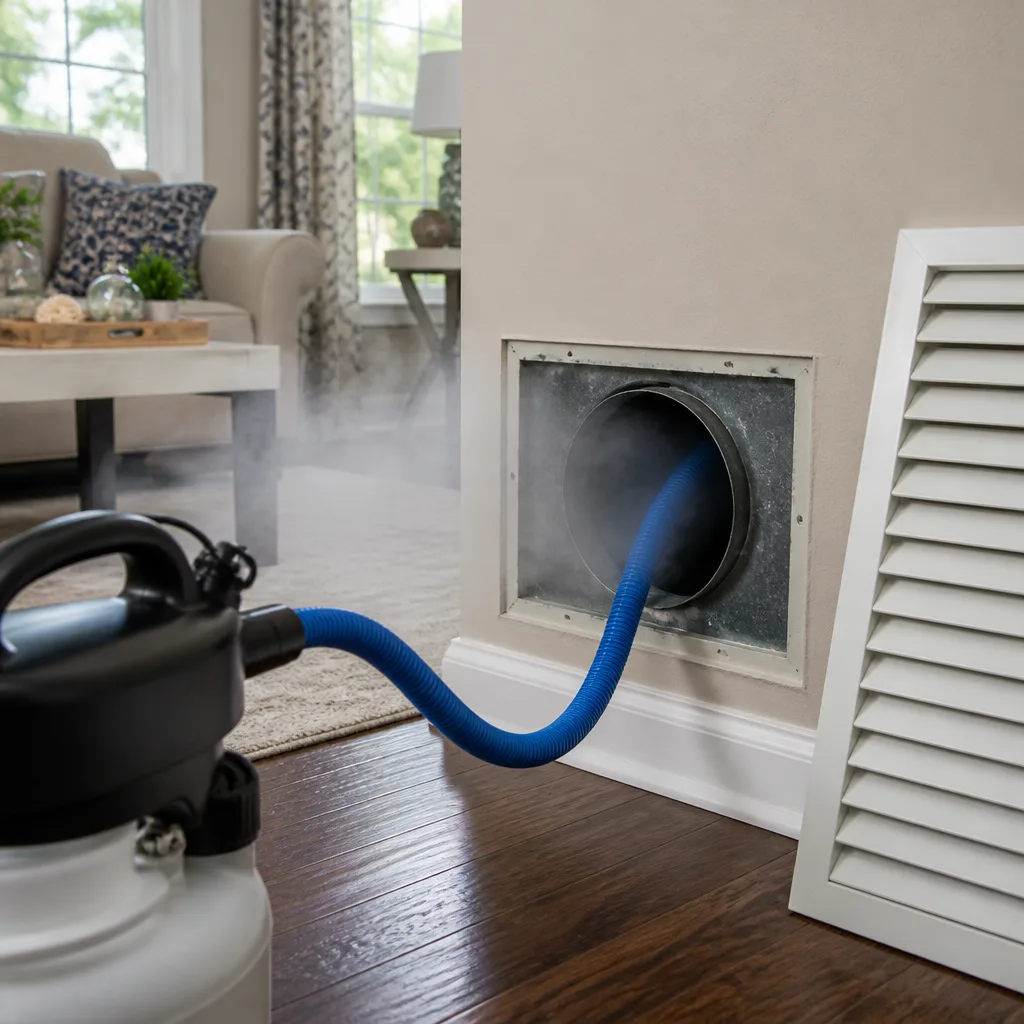 Sanitizing & deodorizing
Whole-system duct and dryer vent check with before-and-after photos - you see exactly what came out of your vents
That "$99 whole-house special" is a bait ad - the real number appears once they are in your hallway, or the "clean" is a shop-vac at the register. We photograph the inside of your ducts before and after instead.
Air Duct Cleaning Warning Signs: A Laguna Niguel Homeowner’s Reference Guide
By the time you can smell musty air from your registers, mold has typically been colonizing your duct liner for weeks. The warning signs that matter most show up earlier, and they’re quieter: a filter that dirties faster than it should, one room that never quite matches the rest of the house, a faint smell at a single vent. In Laguna Niguel, the way homes are built and the way our climate cycles between dry, warm afternoons and cool, damp mornings both affect how duct problems develop. This guide explains the early indicators most homeowners overlook, what’s mechanically happening inside the system when each one appears, and which ones justify calling a professional.
Quick Answer
The earliest warning signs of dirty or damaged ducts are a filter that loads up in weeks instead of months, one room running warmer or cooler than the rest, a musty smell isolated to a single register, and visible dust streaks around return grilles. Each points to contamination or leakage inside the duct system rather than to your thermostat or filter alone. Left alone, these small signals usually grow into airflow problems and efficiency losses before a homeowner notices anything dramatic.
Styles & brands we work with
- Whole-home duct cleaning
- Dryer vent cleaning
- Camera inspection
- Sanitizing & deodorizing
Table of Contents
- The Filter Loading Rate Test
- Uneven Room-to-Room Temperatures
- A Musty Smell From One Specific Register
- Pest Evidence: Roof Rats and Attic Flex Duct
- Renovation Dust and Why Filtration Isn’t Enough
- Dust Streaks, Grille Staining, and Return Leaks
- Dryer Vent Warning Signs
- When to Call a Professional
The Filter Loading Rate Test
Your filter’s loading rate tells you more about duct bypass and return-air leakage than any visual inspection of the ducts themselves. A new filter that turns gray within two to three weeks is loading far faster than normal use would explain, and that speed points to a source problem upstream: unfiltered air being pulled in through gaps in the return path, or heavy particulate still suspended in the ductwork. The filter is doing its job. It’s just being asked to handle air it was never meant to see.
Here’s how to run the test in your Laguna Niguel home:
- Write the date on the filter edge with a marker and install it.
- Check it every seven days. Note the color change. A light even gray at week six is normal.
- If it’s visibly dark at week two or three, the duct system is loading it from somewhere other than ordinary household dust.
- Look at the filter slot itself. Dust trails around the edges mean air is bypassing the filter entirely, which happens when the filter frame doesn’t seal against the return plenum.
Bypass air is the quiet culprit here. In a home where the return plenum opening is slightly oversized or the filter doesn’t sit tight, unfiltered air slides past the media and straight into the blower. The filter looks dirty because it’s working hard, but the air moving through the system is dirtier than you’d assume. That’s a leakage problem, and leakage problems usually point to more than one gap in the return duct.
For a filter that’s loading in under a month, mechanical cleaning of the return side is usually where the fix starts. Our air duct cleaning work addresses the whole return path, not just the visible branches.
Uneven Room-to-Room Temperatures
If one room in your house is always three or four degrees off from the rest, duct leakage or blockage is a more likely cause than HVAC capacity. Most homeowners assume the system is undersized and start shopping for a bigger unit. But a perfectly sized system with leaks in the supply trunk will still deliver uneven air, and an oversized unit won’t fix blocked branches. The problem is the delivery, not the generating capacity.
In Laguna Niguel homes, the pattern is often specific. Upstairs bedrooms on the west side of a house tend to run warmer in the late afternoon, and that’s usually just afternoon sun load, not a duct issue. Where it’s a genuine sign: a room that’s cool in the morning and warm by mid-day regardless of where it sits relative to the sun, or a room that never matches the thermostat no matter what time you check. Inconsistent, not directional. That inconsistency is what points to the duct.
The mechanics are straightforward. Leaky supply joints lose conditioned air into wall cavities and attic space before it reaches the register. Blocked branches, or flex duct that has collapsed or been crushed during construction or a later repair, reduce volume at the far end of a run. Both produce the same symptom: the room nearest the air handler is comfortable, the room at the end of the run is not. That gradient – near-comfortable to far-uncomfortable – is the tell for a supply-side problem.
What to check before assuming the equipment is at fault:
- Feel the air coming from each register. Weak but cold means volume is lost upstream. Strong but warm means you’re getting return air or the branch is uninsulated in a hot attic.
- Check the register louvers. A partially closed damper at one register can starve every register downstream.
- Look for kinked or sagging flex duct visible in the garage ceiling or attic access.
If a room’s airflow problem traces back to a damaged or disconnected branch, that’s the kind of leak we can usually seal and repair in the same visit as a cleaning. See HVAC cleaning for how the air handler and coil side of the system factors into overall airflow.
A Musty Smell From One Specific Register
A musty smell from every register in the house suggests a system-wide issue, often a wet evaporator coil or standing moisture in the air handler. A musty smell from one register only tells you something different: the contamination is localized to a specific branch of your duct tree, and identifying which branch is where the detective work begins. The two situations call for different responses, and treating one like the other wastes time.
Registers on the same branch will share the smell. Registers on other branches won’t. So the fastest way to map the problem is to walk the house and mark which vents carry the odor:
- Shut the system off and let it sit for thirty minutes.
- Smell each register while the blower is off. A smell present with the fan off means the contamination is in the branch or the room itself.
- Turn the blower on and repeat. A smell that appears only with airflow means the contamination is upstream on that branch and being pushed to the register.
- Compare across rooms. One or two adjacent registers with the same smell narrow the source to their shared branch.
What’s actually happening inside that branch: condensation on a cold duct surface in a warm attic or unconditioned space, or moisture pulled into flex duct through a gap where the flex connects to a boot or trunk. Laguna Niguel’s warm days and cool, damp mornings create condensation conditions inside improperly sealed or uninsulated runs. That moisture supports mold growth on the duct liner, and the musty smell is the byproduct arriving at the register. Once you know which branch it’s on, the fix is targeted cleaning of that branch, sanitizing, and sealing whatever gap let the moisture in.
Pest Evidence: Roof Rats and Attic Flex Duct
Roof rats in Laguna Niguel get into duct systems through attic flex duct connections, not through the registers themselves. The connection points where flex duct meets a boot or trunk line are soft, penetrable, and often poorly sealed during installation or after a repair. A rat pushing through a gap at a flex connection doesn’t need a hole the size of its body; it works an existing opening until the material gives. Once inside, the duct becomes a warm, sheltered run with food and nesting material available at the ends.
The signs to look for before you find evidence in the ducts themselves:
- Droppings in the attic along joist lines and near flex duct runs, especially near the skylights and vent penetrations common in Laguna Niguel homes.
- Chewed or shredded flex duct insulation, usually near connection collars.
- Rub marks and grease trails along the flex duct outer layer.
- Scratching or movement sounds at night in the attic space.
Contamination inside a rat-accessed duct isn’t limited to the visible damage. Rodent urine and droppings in flex duct sections are the reason a rat-infested duct isn’t a filter-replacement fix. Those sections need to be removed and replaced, the connected duct cleaned, and the system sanitized as part of the response. Sealing the access point afterward is what prevents a re-entry, and this is where duct repair and sealing belongs in the same visit rather than on a later callback.
We use Abatement Technologies equipment to maintain containment and negative-air pressure while working around contaminated duct sections. That’s the same discipline remediation crews apply when a space is contaminated, not the light residential setup used for a routine cleaning.
Renovation Dust and Why Filtration Isn’t Enough
A recent renovation loads your ducts with dust that a filter cannot extract. Drywall sanding produces particles fine enough to travel through the return system and settle in the duct branches and on the blower. Insulation fibers, tile and grout dust, and sawdust from trim work all behave the same way. Once these particles are sitting on the bottom of a duct run, no amount of filter media upstream will lift them out. The only removal path is mechanical extraction.
Homeowners often assume running the system with a higher-MERV filter during and after renovation solves the problem. It reduces the amount that gets in, but it also reduces airflow, and once the particles have settled they stay. Worse, renovation dust on an evaporator coil can cause the coil to retain moisture and develop odor issues afterward. This is the sequence that turns a three-week remodel into a months-long air quality problem in the rooms nearest the renovated space.
The typical post-renovation sequence for a Laguna Niguel home that’s had significant interior work:
- Filter change immediately after the dustiest phase of work.
- Full mechanical cleaning of supply and return branches, not only the trunk.
- Coil cleaning if the HVAC ran during the renovation.
- Sanitizing of the cleaned duct surfaces.
- Fresh filtration at the return – the point where Honeywell and Aprilaire products integrate into what we recommend going forward.
Rotobrush and Nikro systems are what we use for this work. They’re mechanical cleaning tools built for duct interiors, not vacuum attachments improvised for the job. That matters most in renovation cases, where the dust is fine and adhered to the duct surface and a light vacuum can’t lift it.
Dust Streaks, Grille Staining, and Return Leaks
Dust streaks radiating from a supply register tell you the register is leaking air at its edges, and the streaks are the visual evidence. That’s a supply-side leak. Dust staining on the grille face, or a dark halo on the ceiling or wall around the register, is a different signal: return air being pulled in from the room through a gap in the grille frame or the boot seal. The two look similar but point to different fixes.
Supply leaks push conditioned air out at the register edge, kicking up the room’s dust and spitting it back onto nearby surfaces. Return leaks pull unfiltered room air into the system through a gap in the duct or grille. The second is the more insidious one because it adds dust to the system that the filter never sees. In homes where return grilles are mounted on wall cavities rather than dedicated duct chases, this happens more often than homeowners realize, and the fix involves sealing the boot to the wall opening, not closing off the grille.
Walk the house and check every register and grille with a flashlight from a low angle. A leak shows as a dark halo or vertical streak pattern in the dust film. Mark those with painter’s tape and check the corresponding boot connection from the attic or crawl side if it’s accessible. Any gap where the duct meets the ceiling, floor, or wall boot is a leak that matters.
Dryer Vent Warning Signs
Dryer vent warning signs are the most safety-critical ones covered in this guide. The National Fire Protection Association recommends annual dryer vent cleaning, and the reason is simple: lint accumulates in the vent run and becomes the fuel load if a fire starts in the dryer or the vent. A vent that makes clothes take two cycles to dry is a vent with restricted airflow, and restricted airflow is the condition that turns a small heat source into a vent fire.
Beyond slow drying, the signs to watch for:
- The dryer itself or the outside vent hood feels hot to the touch during operation.
- The exterior vent flap doesn’t open fully when the dryer runs, or doesn’t open at all.
- Lint is visible behind the dryer or at the exterior hood.
- A burning or overheated smell during the dry cycle.
Dryer vent runs in Laguna Niguel homes are often longer than homeowners expect because the laundry location doesn’t always allow for a short, straight vent to the exterior. Longer runs with more elbows trap lint faster. If your vent path has more than two bends, treat annual cleaning as the baseline, not as an occasional catch-up. We treat dryer vent cleaning as its own service line for exactly this reason – it’s a fire-risk reduction service, not a side benefit of the duct cleaning.
Common Mistakes to Avoid
- Assuming the equipment is the problem. A room that runs warm isn’t usually an undersized HVAC unit. It’s more often a supply leak. Checking the duct side before quoting a new system saves a homeowner from replacing equipment that was never at fault.
- Swapping the filter without checking the filter slot. A new filter in a slot with visible gaps doesn’t filter much. The gaps are the story, and they need sealing before the filter replacement counts as a fix.
- Treating a single-register smell as a house-wide cleaning job. Localized smell from one register means localized contamination. Start by mapping which branch it’s on before assuming the whole system needs cleaning.
- Vacuuming ducts with a shop vac or consumer equipment. Consumer vacuums stir up settled dust rather than extracting it, and they can push contamination deeper into the branch. Contractor-grade equipment – Rotobrush and Nikro in our case – is built for duct interiors and moves the dust out rather than moving it around.
- Skipping the dryer vent because the dryer still works. Slow drying cycles are the first sign of lint restriction. Waiting until clothes stop drying altogether means running the dryer longer under load while the vent stays restricted. Annual dryer vent cleaning is recommended by the NFPA for a reason.
- Ignoring attic rodent evidence because the house otherwise seems fine. Rats in flex duct are the kind of problem that doesn’t announce itself with visible dust or a smell at the register. Droppings in the attic are the earlier sign, and they’re the one worth acting on.
- Calling for a cleaning after a remodel but leaving the coil out of the scope. Renovation dust that reaches the evaporator coil can cause the coil to retain moisture and develop problems afterward. Cleaning the ducts without cleaning the coil covers the trunk and branches but leaves the moisture source in place.
See the difference
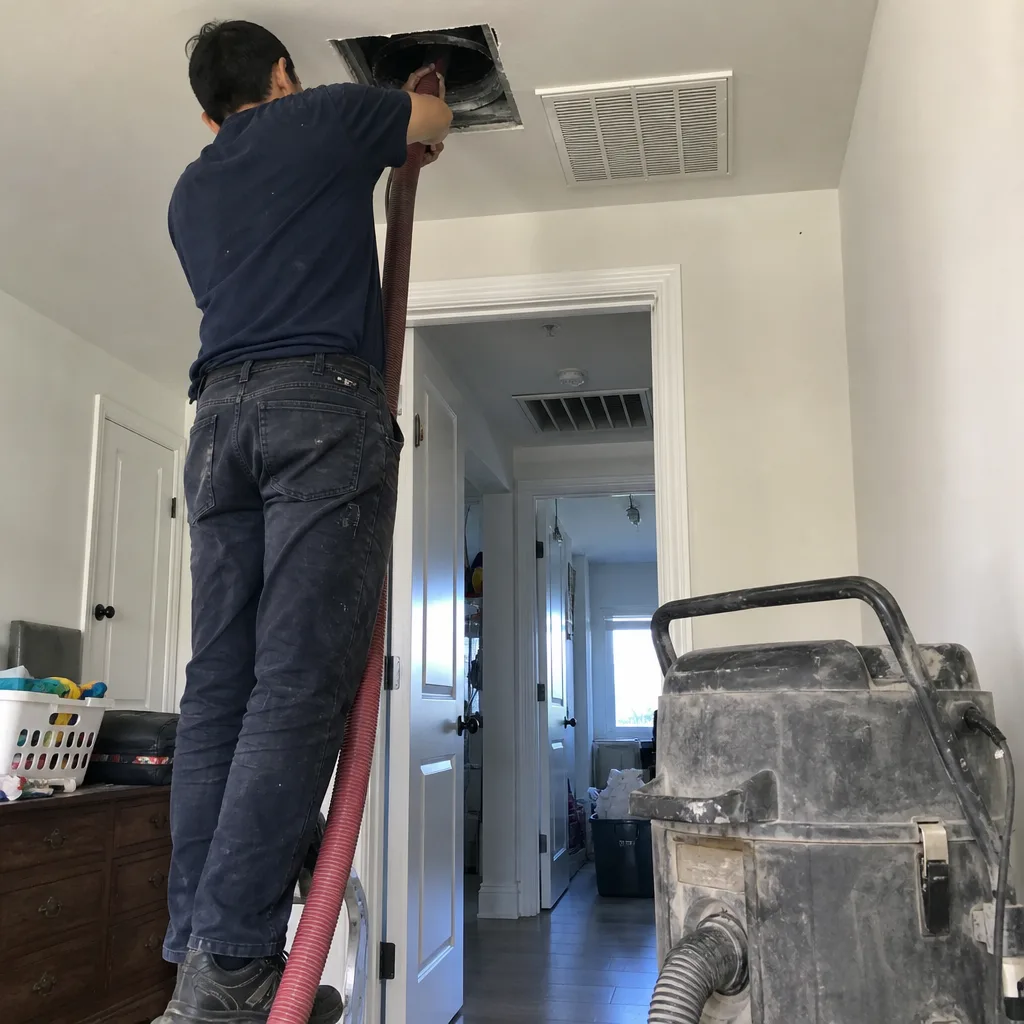 Before
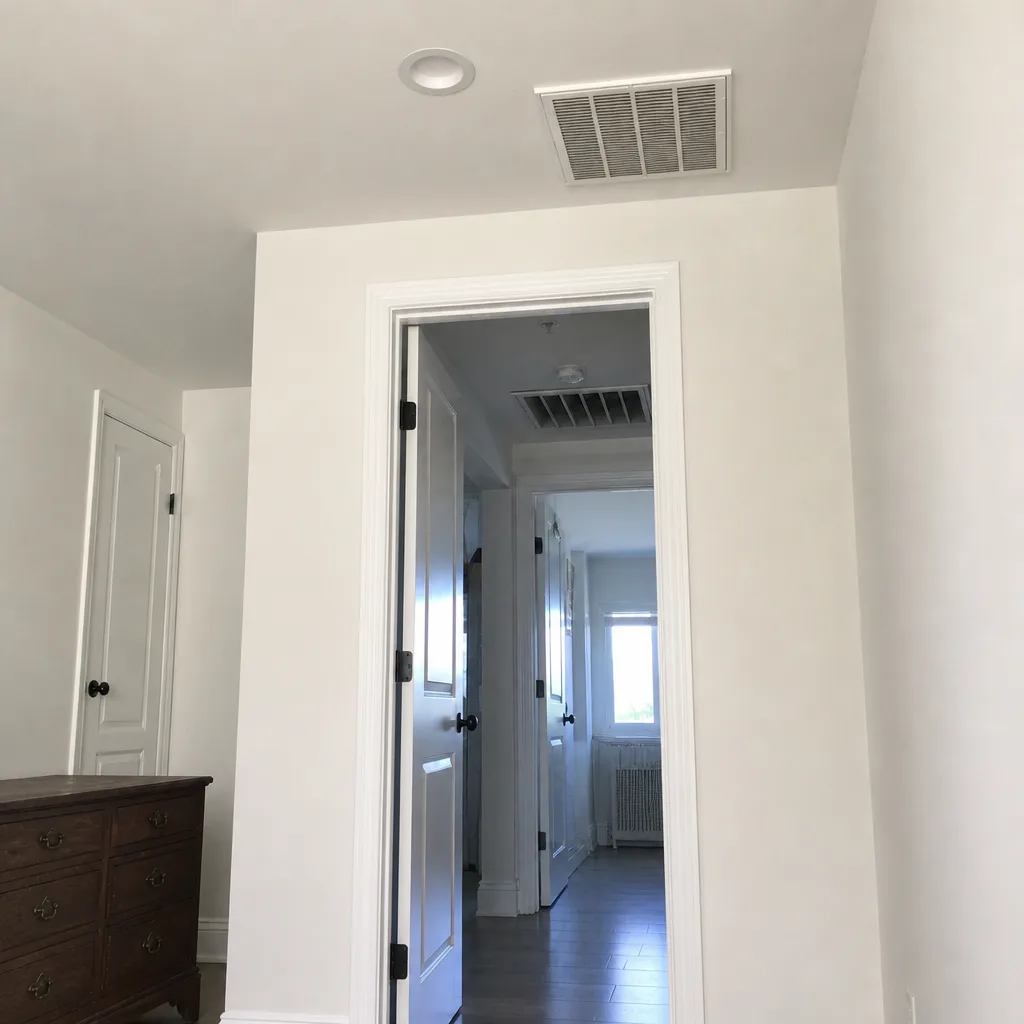 After
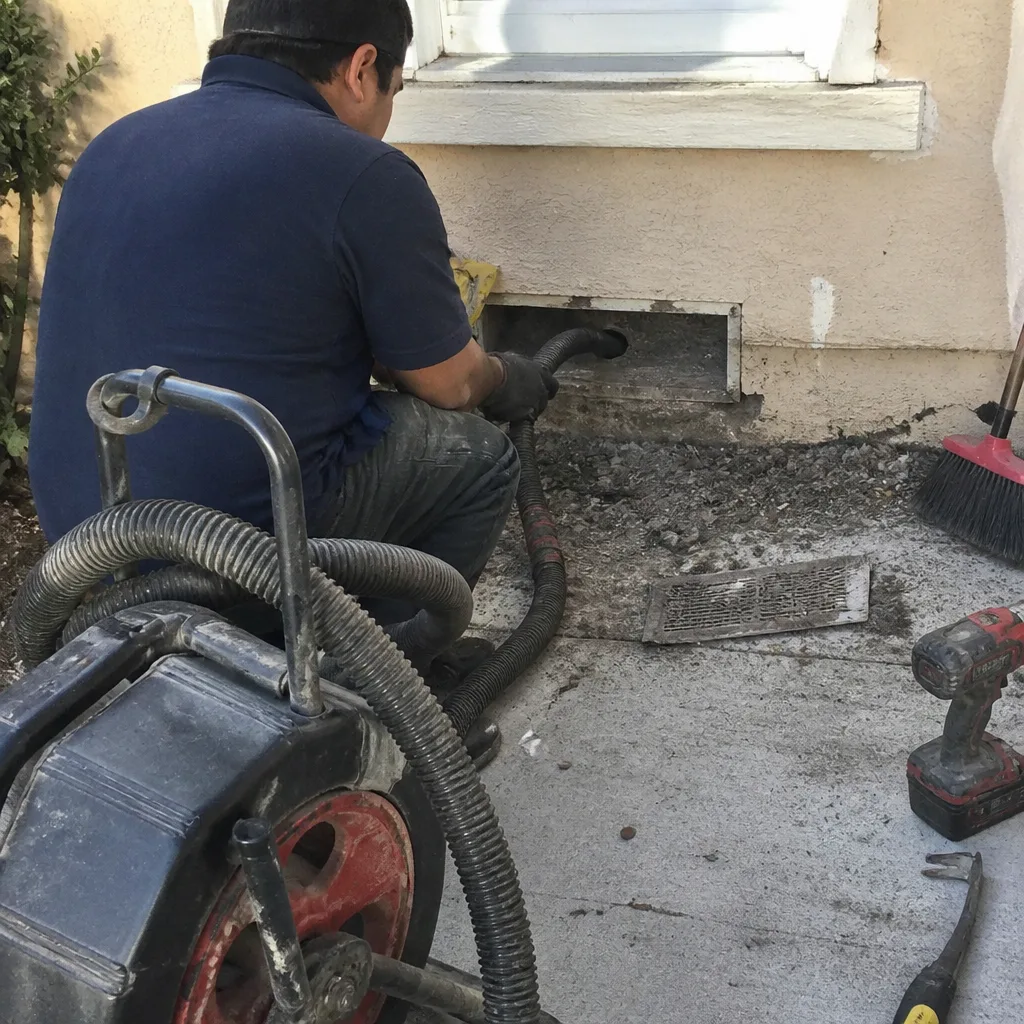 Before
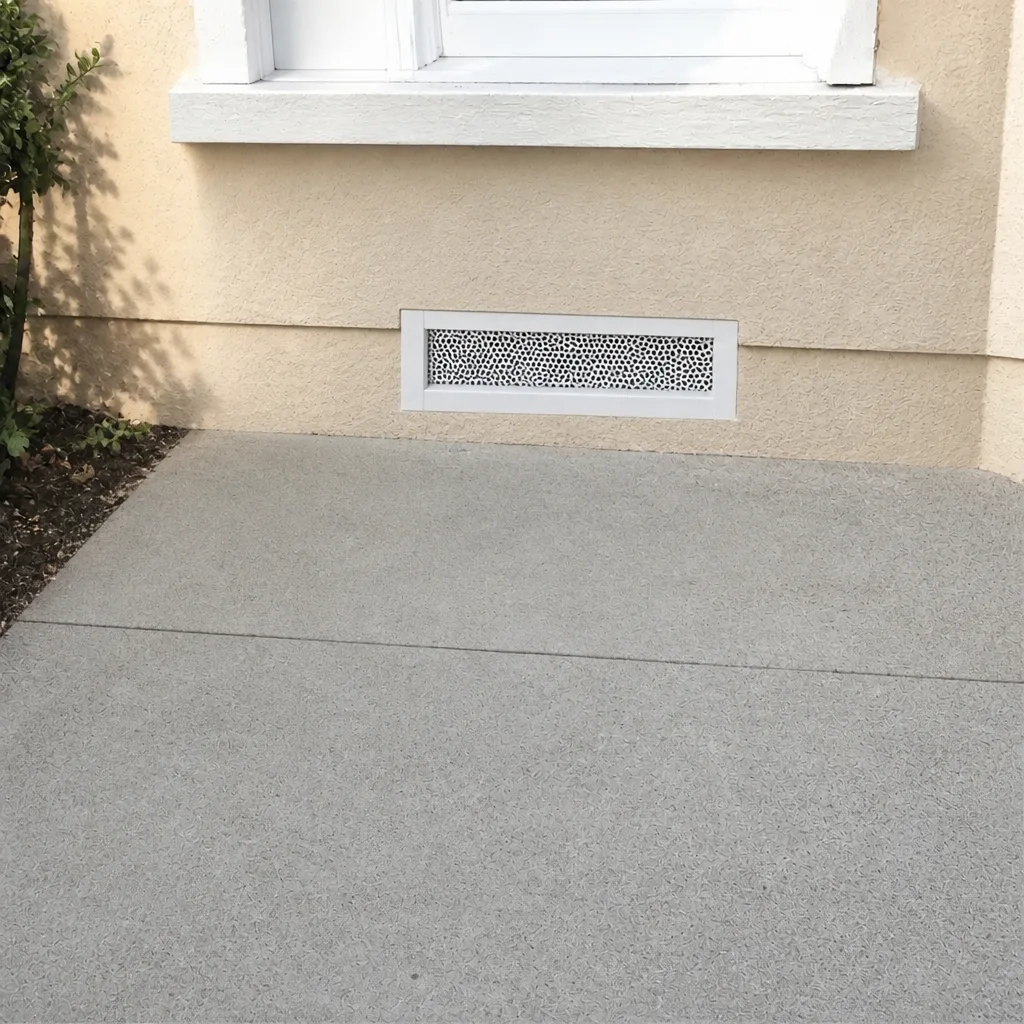 After
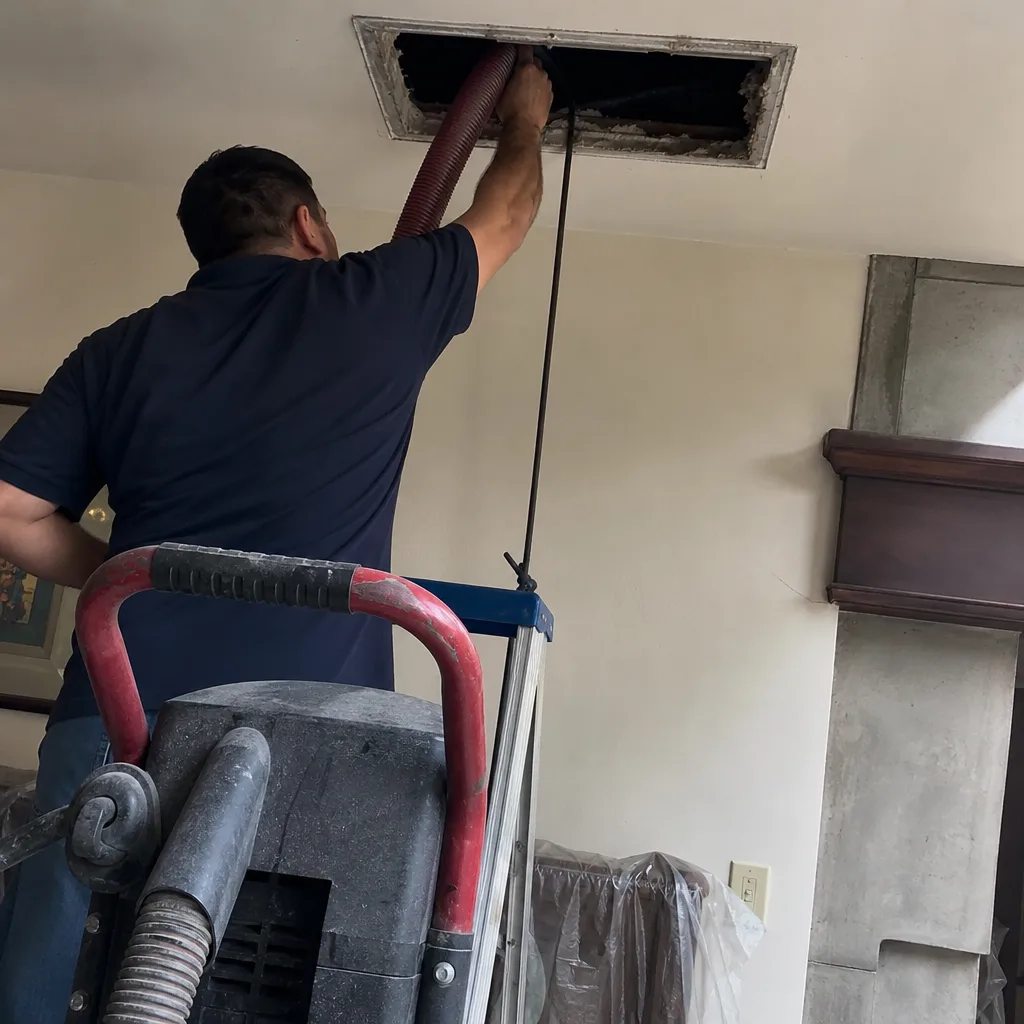 Before
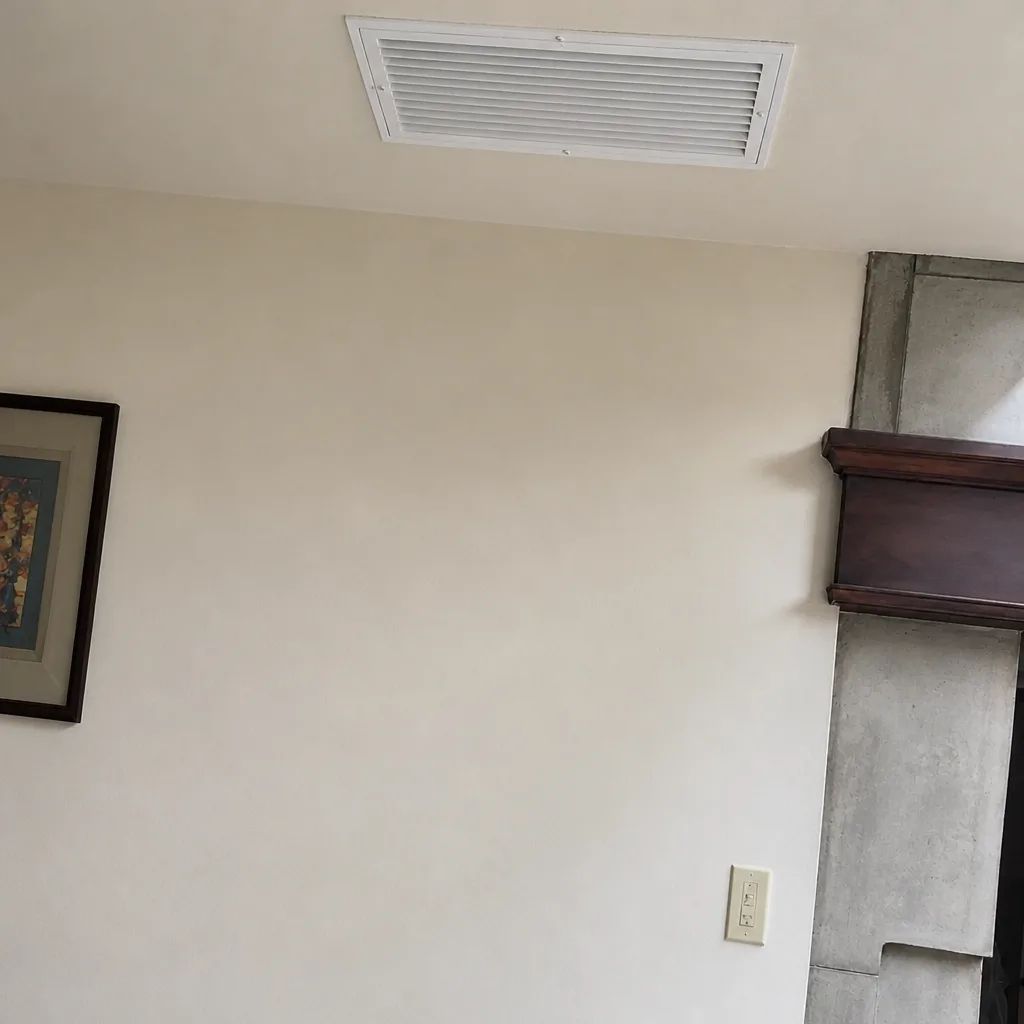 After
When to Call a Professional
Call a professional when a filter is loading in under a month, when a room runs consistently three or four degrees off no matter the time of day, when a musty smell comes from a specific register, or when you find rodent droppings near attic flex duct. Call immediately after any renovation that generated significant drywall or insulation dust, and call if the dryer takes more than one cycle to dry a normal load. We can also handle these situations when you’ve already had someone look at the system and the answer didn’t match what you’re seeing at the registers.
Laguna Niguel Air Duct Cleaning Pros connects homeowners with independent local professionals who perform the work. Our technicians have up to 12 years of experience, the local pro is licensed and insured as their state requires, and the estimate is free. Call (877) 770-0716. We answer 24/7. Fast dispatch from 7am to 7pm, Sunday through Friday.
Frequently Asked Questions
A filter should take four to six weeks of normal use before showing even gray color. A filter that’s visibly dirty in two to three weeks is loading faster than ordinary household dust can explain, which points to duct bypass or a return-air leak. Call (877) 770-0716 for an exact quote – estimates are free.
A musty smell from one register means the contamination is localized to a specific branch of the duct tree, not the whole system. The branch it’s on is being fed cold air that’s condensing moisture inside the duct liner, and that moisture is supporting mold growth. Targeted cleaning of that branch is the right response. Call (877) 770-0716 for an exact quote – estimates are free.
A room that’s always three or four degrees off from the rest of the house points to duct leakage or blockage more often than to HVAC capacity. Feel the airflow at the register. Weak but cold means volume is lost upstream in the duct. If the equipment were the issue, every room would be affected, not one. Call (877) 770-0716 for an exact quote – estimates are free.
Yes, after any renovation that produced drywall, insulation, tile, or trim dust. The fine particles settle in the duct branches and can’t be lifted by a filter once they’ve adhered to the surface. Mechanical cleaning with contractor-grade equipment is the removal path. Call (877) 770-0716 for an exact quote – estimates are free.
Most homes benefit from cleaning every three to five years, and sooner after a renovation, a rodent issue, or a moisture problem. Homes with pets, allergy concerns, or longer vent runs often need it more often. The signs in this guide tell you more about your home than a fixed calendar does. Call (877) 770-0716 for an exact quote – estimates are free.
Cheap quotes usually cover a narrower scope than the price tag implies, often just the visible duct run without the return path, coil, or branch cleaning that follows from the actual warning signs. The right comparison is the scope, not the number. Ask each provider what’s actually being cleaned before you choose. Call (877) 770-0716 for an exact quote – estimates are free.
The Bottom Line
The early warning signs of a duct problem are quiet: a fast-loading filter, a room that never catches up, a smell at one register, droppings near attic flex duct, or streaks around a grille. Each points to a mechanical cause inside the system, not to your thermostat or a filter that needs swapping. Catching them early keeps them from becoming mold or efficiency problems that cost more to resolve. Laguna Niguel Air Duct Cleaning Pros covers the full air pathway in one place: Laguna Niguel Air Duct Cleaning Pros services include cleaning, dryer vent cleaning, HVAC cleaning, and air duct cleaning, so the fix and the follow-through happen in the same visit rather than across multiple contractors. Call (877) 770-0716 for a free estimate. We answer 24/7. Fast dispatch from 7am to 7pm, Sunday through Friday.
Written by the team at Laguna Niguel Air Duct Cleaning Pros.